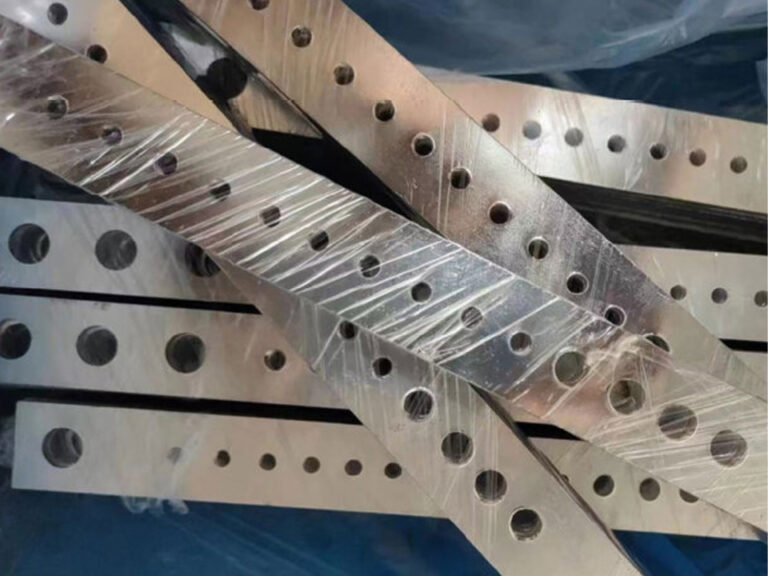
Tinned vs. Untinned Copper Busbar: A Comprehensive Guide

Tinned and non-tinned copper busbars differ in conductivity stability, corrosion resistance, temperature rise control, cost, and suitable applications. This guide explains when to choose tinned copper busbars for harsh environments and when standard copper busbars are the more economical option.
What is a Flexible Busbar and benefits?

Flexible copper busbar is transforming modern power transmission by offering excellent conductivity, flexibility, safety, and installation efficiency. This article explores its core advantages and applications in new energy, power systems, electronic equipment, and data centers.
Copper Busbar in Distribution Panels: An In-Depth Component Study and Industry Use Cases

This article explains the key technologies behind distribution cabinet copper busbars, including materials, structure, surface treatment, thermal management, and intelligent monitoring. It also compares global standards and market trends to help engineers, manufacturers, and procurement teams make better decisions.
The main function of copper busbar and how it works

Copper busbars are essential for efficient electrical energy transmission due to their high conductivity, thermal stability, and mechanical strength. This article explains their key functions, working principles, and real-world applications across renewable energy, EVs, and industrial systems.
Tin Plated Copper Busbar: Process & Benefits

Tinned copper busbars use advanced pretreatment, precision tin plating, and post-treatment processes to enhance conductivity and corrosion resistance. They are widely used in electric vehicles, smart grids, and renewable energy systems for reliable high-current performance.