Custom Solutions
Technical Support
Why Can’T a Copper Busbar and an Aluminum Busbar Be Directly Connected?

Copper and aluminum busbars can create serious safety risks when directly connected due to electrochemical corrosion, thermal expansion mismatch, and rising contact resistance. This article explains the causes of connection failure and outlines reliable solutions such as transition plates, tin coating, conductive paste, and copper-aluminum composite busbars.
How Do You Calculate the Size of a Copper Busbar?

Proper copper busbar sizing ensures safe, efficient, and reliable electrical distribution by controlling heat rise, voltage drop, and fault withstand capacity. This guide explains key sizing factors, standards, installation effects, AC/DC considerations, and advanced analysis tools.
10 Essential Tips for Working with Copper Busbars

Copper busbars are essential components in modern power transmission and distribution systems due to their conductivity, durability, and mechanical strength. This guide shares 10 practical tips for selecting, installing, protecting, and maintaining copper busbars safely and efficiently.
A Guide to Maintaining Copper Busbars Effectively

Learn how proper copper busbar maintenance improves safety, reliability, and service life in power transmission systems. This guide covers installation rules, routine inspection, preventive testing, fault diagnosis, and emergency handling.
How to Install Copper Bus Bars for Electrical Systems

Copper busbar installation is essential for building safe, efficient, and reliable electrical systems. This guide covers preparation, installation steps, grounding, acceptance standards, maintenance, and common fault prevention.
Everything you Need to Know About Copper Busbars

Copper busbar is a key conductive component in modern power transmission, supporting high-current efficiency, durability, and reliability. This guide explains its standards, production processes, applications, and future trends across energy, transportation, and advanced industries.
Tinned vs. Untinned Copper Busbar: A Comprehensive Guide

Tinned and non-tinned copper busbars differ in conductivity stability, corrosion resistance, temperature rise control, cost, and suitable applications. This guide explains when to choose tinned copper busbars for harsh environments and when standard copper busbars are the more economical option.
Insulated vs. Uninsulated Copper Busbars: Optimization for Power System

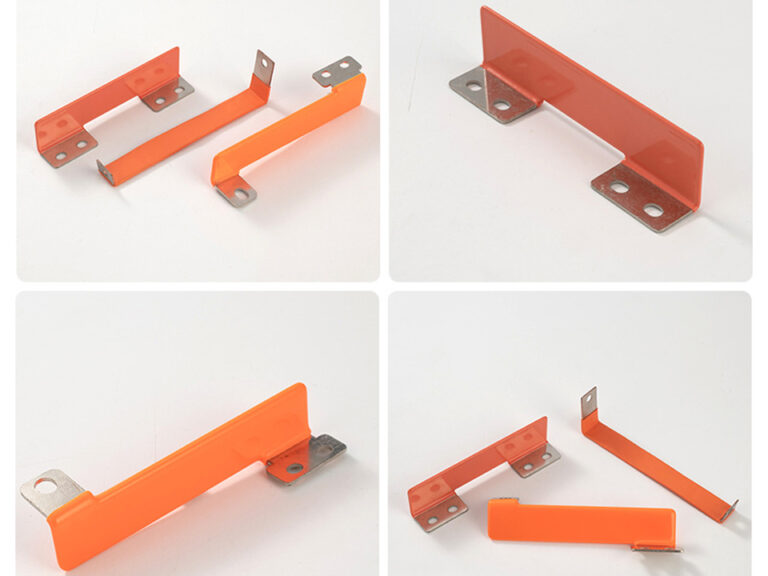
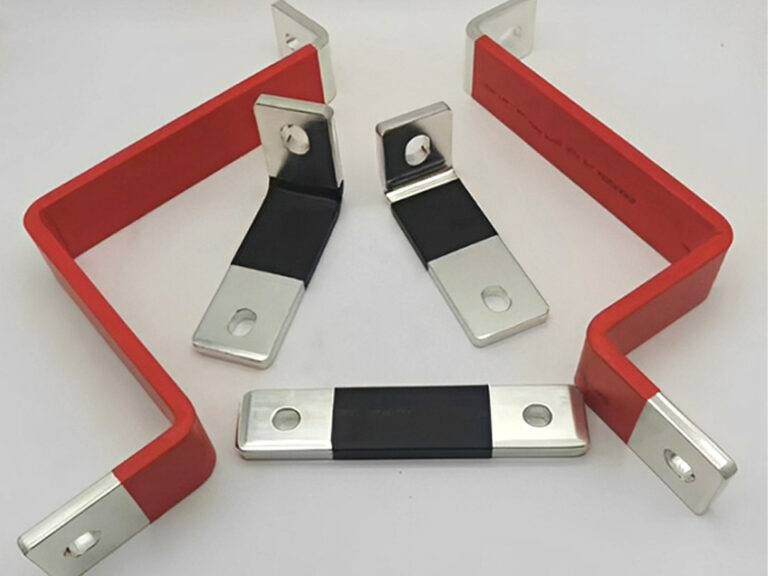
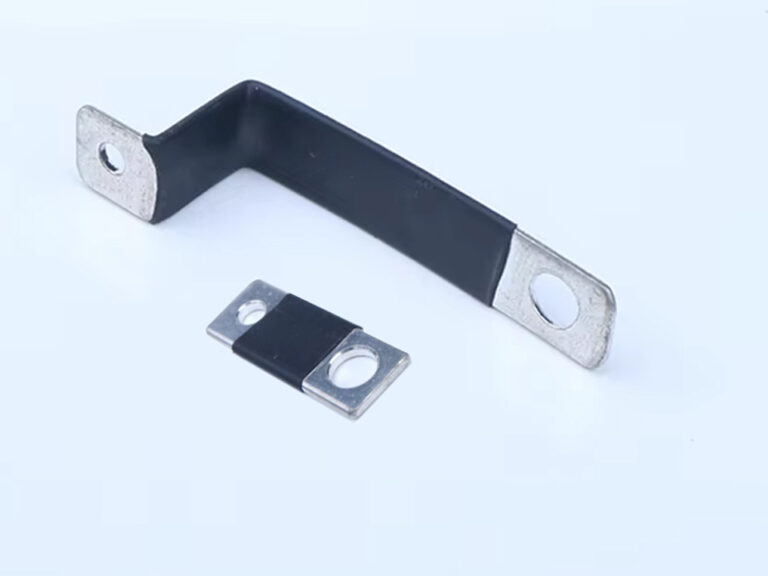
Copper bus bars play a critical role in modern power distribution, but insulated and uninsulated types serve different needs. This article compares their conductivity, safety, costs, applications, and future trends to help guide selection.
Exploring the Diverse Uses of Copper Busbars & Installation Must-Knows

Copper busbar is a key conductive material used in power distribution, renewable energy systems, and industrial equipment. This article explores its advantages, applications, installation standards, challenges, and future trends.
What is the Difference Between Flexible and Solid Copper Busbar?

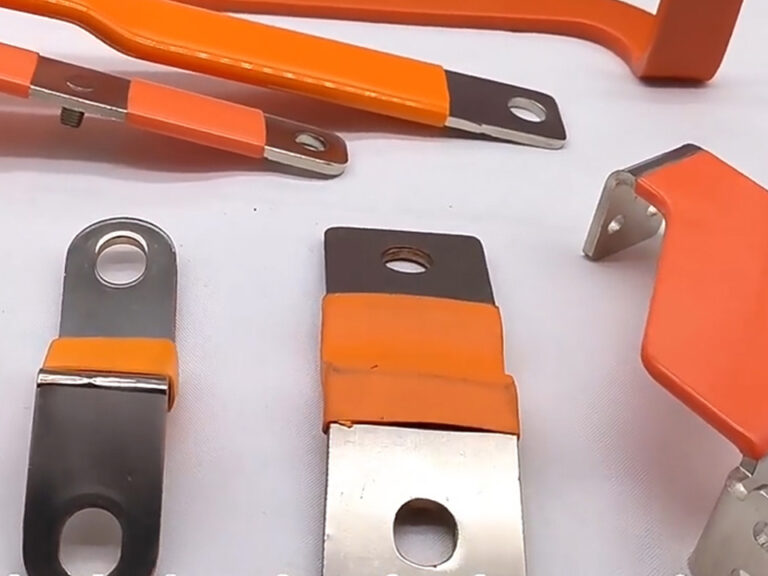
This post compares flexible copper busbars and solid copper busbars across materials, conductivity, strength, thermal performance, installation, cost, and environmental adaptability. It helps engineers choose the right copper busbar solution for new energy, EV batteries, power transmission, and industrial systems.
Copper Busbar Surface Treatment Guide: 10 Key Factors

This post explains when copper busbar surface treatment is necessary by comparing environmental risks, plating options, insulation methods, and real-world case data. It also provides practical decision criteria for balancing conductivity, corrosion resistance, cost, maintenance, and compliance.
Tin-Plated Copper Bus: Benefits, plating process, and Applications

Tin-plated copper busbars improve conductivity, corrosion resistance, and solderability in high-current new energy systems. This guide explains tin plating processes, thickness selection, quality control, and key applications in EVs, PV inverters, and harsh environments.