“The supplier gave us a true one-stop parts solution. Their team matched the right Caterpillar, Perkins, and filter parts for our equipment, and the support stayed fast and professional from inquiry to delivery.”
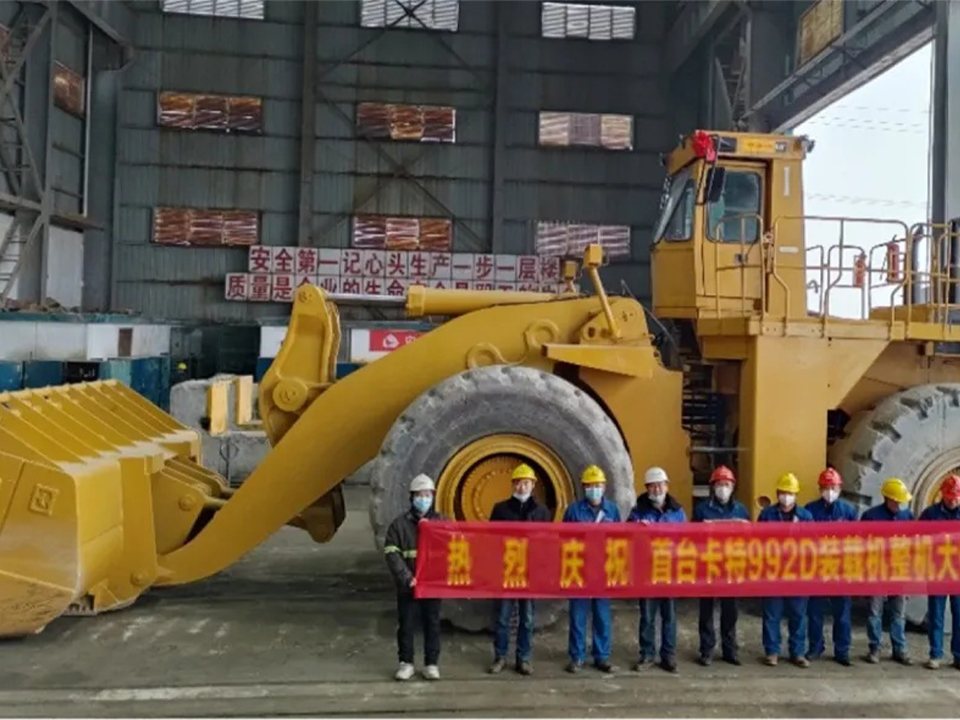
How a CAT 992D Loader Returned to “Like-New” Performance After 40,000 Hours — And Saved 33% With CAT Reman Parts
I’ve stood around enough tired loaders to know the smell of a bad call before the paperwork lands, and a 40,000-hour CAT 992D loader usually triggers exactly that kind of panic—somebody says “send it to auction,” somebody else says “buy new,” and almost nobody slows down long enough to ask the only question that matters: is the iron actually done, or are we just scared of the overhaul bill?
That’s the split. Right there.
Because here’s the ugly truth: fleets don’t always bury old iron because the chassis is cooked. They bury it because the numbers get fuzzy, the downtime story gets exaggerated, and the parts strategy turns into a yard-sale mix of “close enough” components that were never going to survive a real production cycle anyway.
Mục lục
The frame matters more than the hour meter
But hours alone? I don’t buy that logic. Never have.
A 992D wheel loader rebuild makes sense when the bones are still honest—frame, articulation zone, bores, linkage geometry, drivetrain architecture, hydraulic cleanliness history. That’s the stuff. Not the heroic speeches about “fleet modernization.” Caterpillar says a complete Cat Certified Rebuild includes more than 350 tests and inspections, automatic replacement of about 7,000 parts, and a like-new machine warranty, which tells me this isn’t some paint-and-prayer exercise dressed up for a finance meeting.
And honestly, that’s why I’m less impressed by shiny replacement bids than most people in this trade. New machines are easy to admire. Smart rebuild math is harder.
Why the 33% savings doesn’t surprise me
It tracks.
Not because every rebuild magically saves a third. It doesn’t. Some of them go sideways fast—usually when the shop underestimates contamination, reuses marginal cooling hardware, or lets procurement play roulette with non-matching parts across hydraulic and drivetrain systems. But if the process is clean, the savings claim is believable.
Caterpillar’s own CAT Reman language is pretty plain: 45% to 85% of the cost of new with core return, a 12-month Caterpillar parts warranty, and 80% to 90% less raw material used. It also says the line spans over 8,000 products. That’s not fringe inventory. That’s system-level coverage.
So when I see “saved 33% with CAT Reman parts,” I don’t see marketing fireworks. I see a shop that probably avoided the dumbest mistake in this sector: paying premium labor twice because the first round of parts looked cheap on paper.
Where CAT Reman parts actually earn the money back
Yet this is where people get sloppy.
They talk about “reman” as if it’s one blob of value. It’s not. On a heavy equipment overhaul, the real leverage usually shows up in the high-consequence guts—engine assemblies, fuel system hardware, hydraulic pumps, converters, differentials, finals, cooling packages, and other components that punish you brutally when tolerances drift or contamination sneaks through.
And Caterpillar is very deliberate about that distinction. The company says Cat Reman is not just rebuilt, refurbished, or reconditioned; it’s remanufactured to same-as-new condition, specifically to cut owning and operating costs while extending service life.
From my experience, that matters most on loaders that still have earning life in the structure but can’t survive another cycle of mixed-spec drivetrain and hydraulic compromises. The machine doesn’t fail all at once. It starts nickeling-and-diming you to death. Then it gets personal.
The boring parts are where rebuilds live or die
Three words: keep it clean.
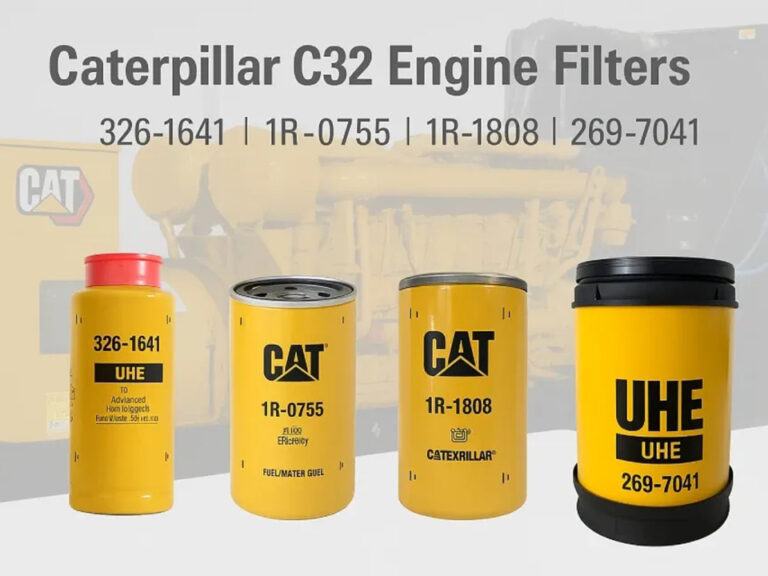
I frankly believe more overhauls get wrecked by filtration neglect and commissioning laziness than by headline component failures, because everybody loves talking about the engine or transmission while nobody wants to discuss the unglamorous stuff—air restriction, fuel quality, oil condition, belt integrity, reservoir flush discipline, cooler debris, post-install verification.
Repair economics are changing, whether fleets admit it or not
And the bigger market is moving in the same direction.
Reuters reported on April 23, 2024, that the European Parliament approved rules pushing manufacturers to repair certain worn-out products, extend guarantees after repair, and avoid obstructing repairs with software or hardware locks. Different sector, yes—but the signal is obvious: repair is no longer treated like a second-rate option. It’s becoming policy-backed economic common sense.
Then there’s the control angle. Reuters also reported on February 23, 2024, that Deere’s Wirtgen won $12.9 million from Caterpillar in a patent trial over road-construction technology, after earlier import restrictions had already shaped access to some machines. That doesn’t directly decide a 992D rebuild, of course—but it does remind anyone paying attention that parts, service, design control, and legal leverage are all tangled together in modern heavy equipment.
So no, I don’t see rebuilds as nostalgia projects. I see them as capital discipline.
The rebuild economics, laid out without the sales gloss
The table below uses Caterpillar’s published Reman benchmarks for cost, warranty, and material use. The “patchwork aftermarket” column is my judgment from field economics, not an OEM specification, and that distinction matters.
Decision Point
Full New OEM Parts
CAT Reman Parts
Patchwork Aftermarket Mix
Upfront parts cost vs new
100% baseline
45%–85% of new with core return
Often lower upfront, but inconsistent
Warranty position
Varies by component/program
12-month Caterpillar parts warranty
Varies widely by supplier
Material intensity
Highest
80%–90% less raw material used
Rarely transparent
Fit and validation
OEM new
OEM remanufactured to same-as-new specs
Uneven; supplier-dependent
Downtime risk after install
Low if process is disciplined
Low to moderate if process is disciplined
Moderate to high if mixed quality
Trường hợp sử dụng tốt nhất
Zero-hour replacement budget
Cost-controlled overhaul with high uptime demands
Non-critical or short-horizon decisions
Câu hỏi thường gặp
What are CAT Reman parts?
CAT Reman parts are OEM Caterpillar components that are disassembled, cleaned, inspected, machined, rebuilt with replacement wear elements, tested to same-as-new standards, and sold with warranty support, typically at 45% to 85% of new-part cost when an eligible core is returned.
That’s the clean definition. Mine is rougher: they’re what you buy when you want OEM discipline without swallowing full-new pricing.
Is a CAT 992D loader worth rebuilding after 40,000 hours?
A CAT 992D loader is worth rebuilding after 40,000 hours when the frame, structures, and major systems remain recoverable, because Caterpillar’s rebuild path is built around deep inspection, broad parts replacement, and system updates rather than cosmetic life extension.
Hour meters scare people. Structural facts should decide the job.
How much can a 992D wheel loader rebuild save with CAT Reman parts?
A 992D wheel loader rebuild can save substantial money with CAT Reman parts because Caterpillar publishes a benchmark of 45% to 85% of new-part pricing with core return, which makes a 33% total savings outcome realistic when component selection and labor planning are handled properly.
That’s why the headline number doesn’t feel inflated to me. It feels controlled.
What parts should be prioritized in a heavy equipment overhaul?
The parts that should be prioritized in a heavy equipment overhaul are the high-consequence systems—engine, hydraulics, drivetrain, cooling, fuel delivery, filtration, and wear-critical rotating assemblies—because those systems determine whether the machine returns to work reliably or comes back as a repeat teardown.
And yes, filters and belts belong in that conversation too. Pretending otherwise is how shops get embarrassed.
Are wheel loader remanufactured parts just refurbished aftermarket components?
Wheel loader remanufactured parts are not the same as refurbished aftermarket components, because OEM remanufacturing uses controlled teardown, engineering inspection, validated replacement of worn elements, and testing to same-as-new standards, while generic refurbishing can mean almost anything.
That language gap is not cosmetic. It changes risk, cost, and uptime.
If you want this page to persuade skeptical operators, don’t make it sentimental. Make it specific. Show the hour count, the savings, the parts logic, the contamination discipline, and the plain fact that a well-scoped CAT 992D loader rebuild with CAT Reman parts can be a sharper business decision than chasing new iron just because the old machine looks tired.