Learn Busbar Design, Testing & Standards for safe, efficient power systems, from material choice to compliance and performance checks.
Custom Solutions
Technical Support
Flexible Busbars: Innovative Solutions and Design Guidelines

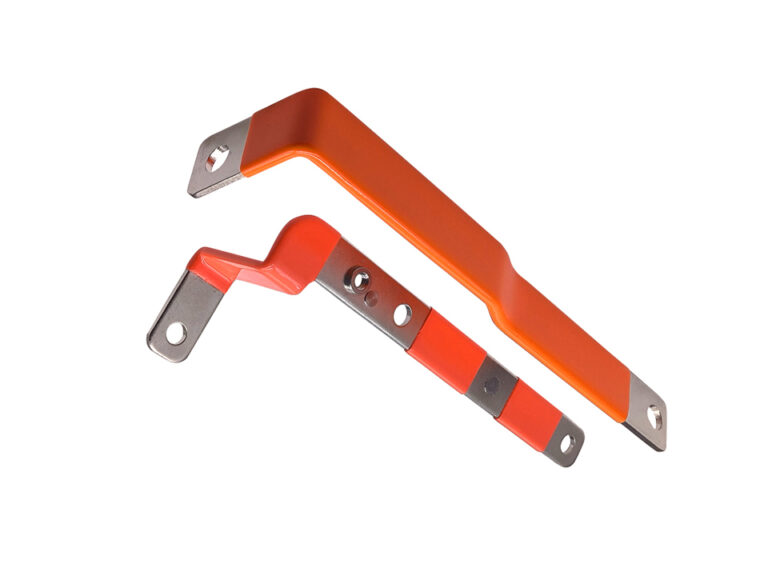
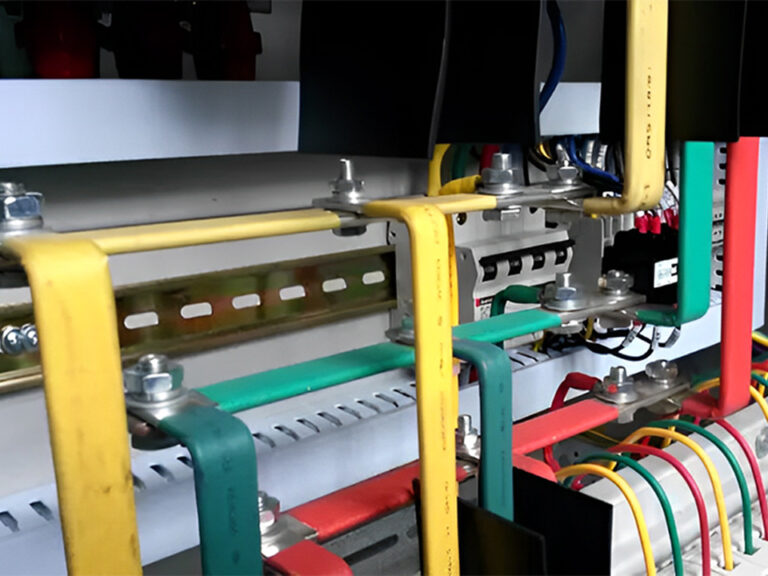
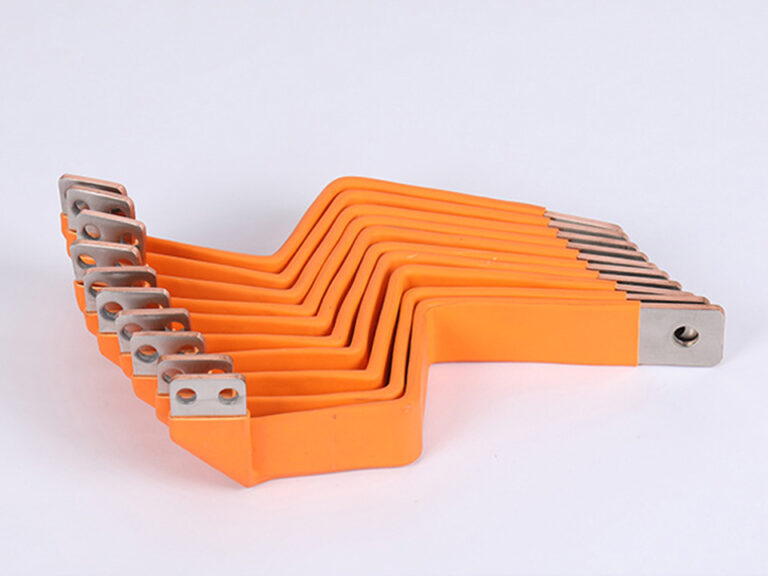
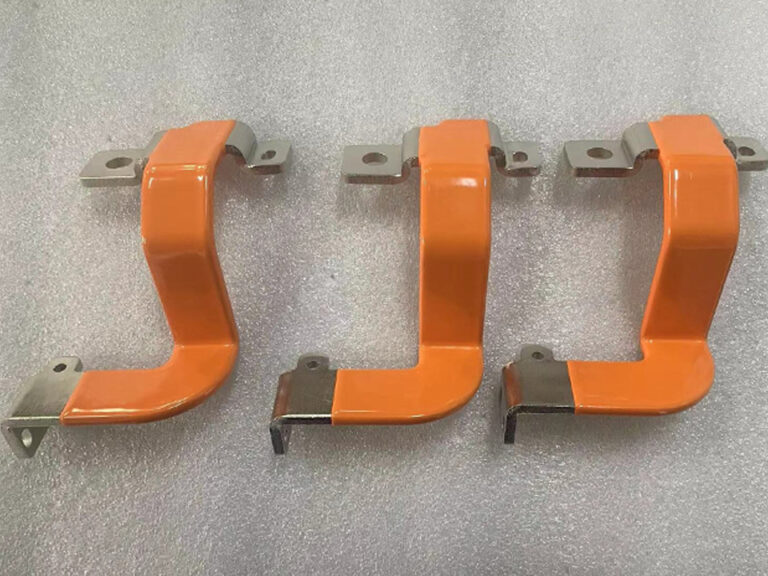
Flexible busbar is transforming high-current power transmission with higher load capacity, fewer joints, and faster installation. This guide explores its design principles, technical advantages, and applications in new energy, smart grids, data centers, and industrial power systems.
What is Flexible Busbars:the Complete Design Guide

Flexible busbars offer high-current capacity, compact installation, strong protection, and smart monitoring for modern power distribution systems. This guide explains their structure, material advantages, manufacturing process, application scenarios, and future market trends.
A Guide to Choosing Laminated Flexible Busbars

Laminated flexible busbars are transforming electric vehicle power distribution through compact 3D structures, advanced insulation, and high-efficiency conductive materials. This article explores their performance advantages, market potential, and role in next-generation EV battery and high-voltage systems.
What is a Laminate Busbar and benefits?

Laminated busbars use layered conductive and insulating materials to deliver lower inductance, better heat dissipation, and higher power density than conventional busbars. This post explains their structure, key benefits, applications in renewable energy, EVs, and Industry 4.0, plus future trends in smart monitoring and advanced materials.
What is a Flexible Busbar and benefits?

Flexible copper busbar is transforming modern power transmission by offering excellent conductivity, flexibility, safety, and installation efficiency. This article explores its core advantages and applications in new energy, power systems, electronic equipment, and data centers.
What is an Insulated Busbar and the Benefits?

Insulated copper busbar is transforming power transmission with higher safety, lower energy loss, and strong environmental adaptability. This post explores its material innovations, key applications, sustainability benefits, and future market trends.
5 Benefits of Flexible Busbars

Flexible busbar technology is transforming high-current power distribution with higher current capacity, lower line loss, faster installation, and improved space efficiency. This post explores its core advantages, lifecycle cost benefits, safety features, industry applications, and future development trends.
What is the Resistance of a Copper Bus Bar and How to Calculate It

This article explains how copper busbar resistance is calculated and what factors influence it, including material purity, dimensions, temperature, and contact resistance. It also compares conductor materials and shares practical optimization strategies for improving energy efficiency in power systems.
Tin Plated Copper Bus Bar vs Copper Bus Bar: Which is Right for Your Project?

This article compares tinned copper busbars and copper busbars across conductivity, corrosion resistance, oxidation, welding, strength, and cost. It explains why tinned copper busbars are increasingly preferred in new energy, power equipment, and high-reliability electrical systems.
Why Plated Copper Bus Bar: A Comprehensive Guide

Copper busbar plating plays a critical role in improving conductivity, oxidation resistance, thermal stability, and service life. This article explores tin, silver, and nickel plating technologies across energy storage, semiconductors, photovoltaics, and power distribution.
How to Design and Build Custom Copper Bus Bars?

Copper busbars are essential conductive components used for current transmission and equipment connection in electrical systems. This guide explains copper busbar design, production, installation, safety testing, and optimization best practices.
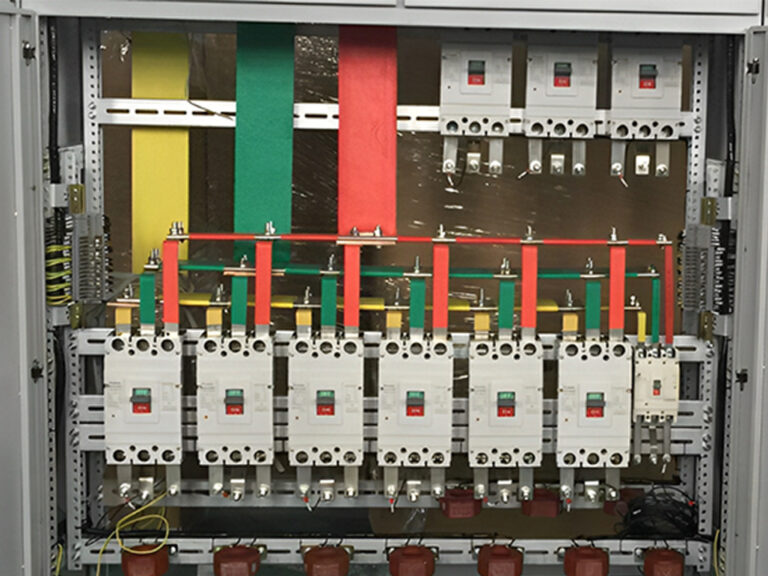
Copper Busbar in Distribution Panels: An In-Depth Component Study and Industry Use Cases

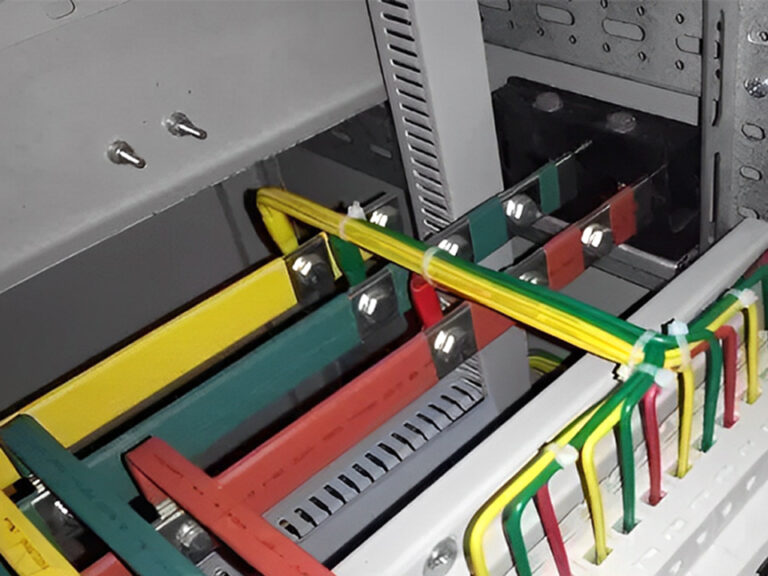
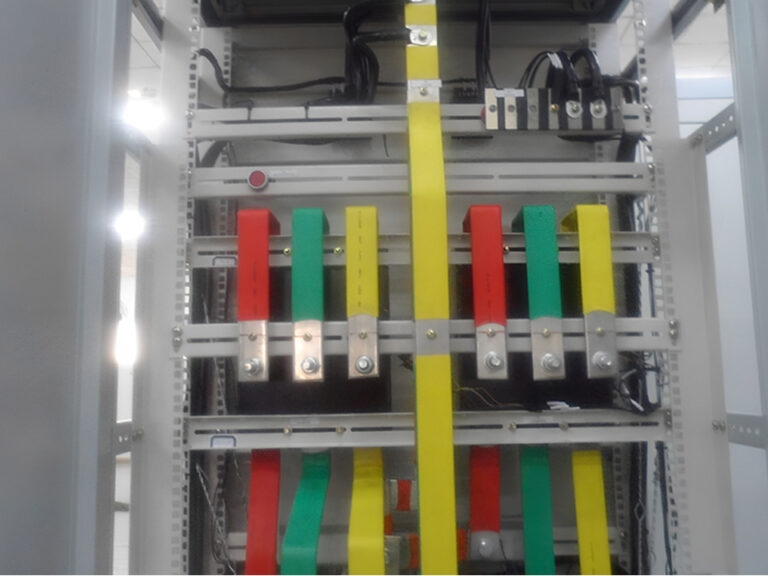
This article explains the key technologies behind distribution cabinet copper busbars, including materials, structure, surface treatment, thermal management, and intelligent monitoring. It also compares global standards and market trends to help engineers, manufacturers, and procurement teams make better decisions.