“The supplier gave us a true one-stop parts solution. Their team matched the right Caterpillar, Perkins, and filter parts for our equipment, and the support stayed fast and professional from inquiry to delivery.”
MTU 18V 2000 G63 Engine Maintenance Case Study | RUIPO Provides High-Quality OEM Parts
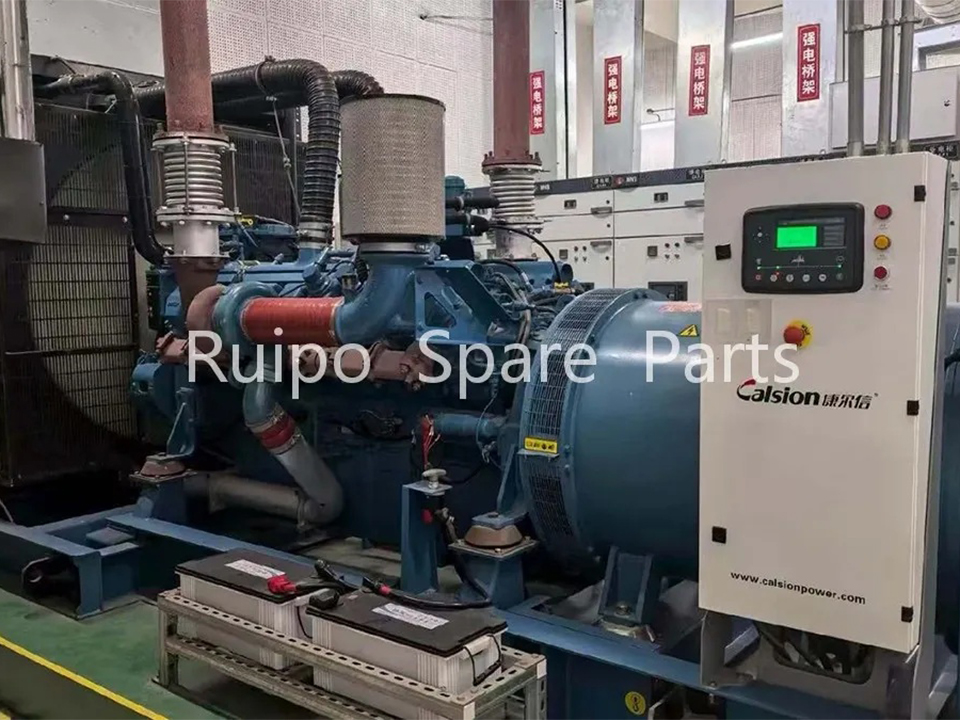
I have watched operators spend real money on a high-output generator package, then start shaving pennies on filters, belts, seals, coolant chemistry, and documentation, as if a Series 2000 engine will somehow ignore contaminated fuel, unstable thermal control, or a supplier who cannot prove where the part came from once the load step hits 60%, 80%, then full demand. Why do people still act shocked when the engine answers back?
This MTU 18V 2000 G63 engine maintenance case study is built around a hard truth I trust more than glossy brochures: most so-called “unexpected” diesel failures are slow, visible, and sponsored by indecision. We are not dealing with mystery here. We are dealing with maintenance drift, bad purchasing behavior, and technicians being asked to rescue a machine that was quietly set up to fail.
Table of Contents
Why the 18V 2000 G63 punishes lazy maintenance
I do not buy the phrase “random shutdown” unless lightning hit the yard. On August 19, 2024, the U.S. Nuclear Regulatory Commission opened a special inspection at the Donald C. Cook Nuclear Plant after emergency diesel generators failed four times in two years, and the inspection scope went straight at troubleshooting, corrective action, and maintenance practice rather than fantasy explanations about bad luck.
And the broader uptime data says the same thing, more politely than I would. Uptime Institute’s 2024 outage analysis notes that many outages occur when a UPS or generator fails to respond to a grid disturbance, that it collected details on 110 publicly reported outages in 2023, and that human error contributes to roughly two-thirds to four-fifths of downtime incidents; to me, that reads like a flashing sign over every neglected inspection sheet in the generator room.
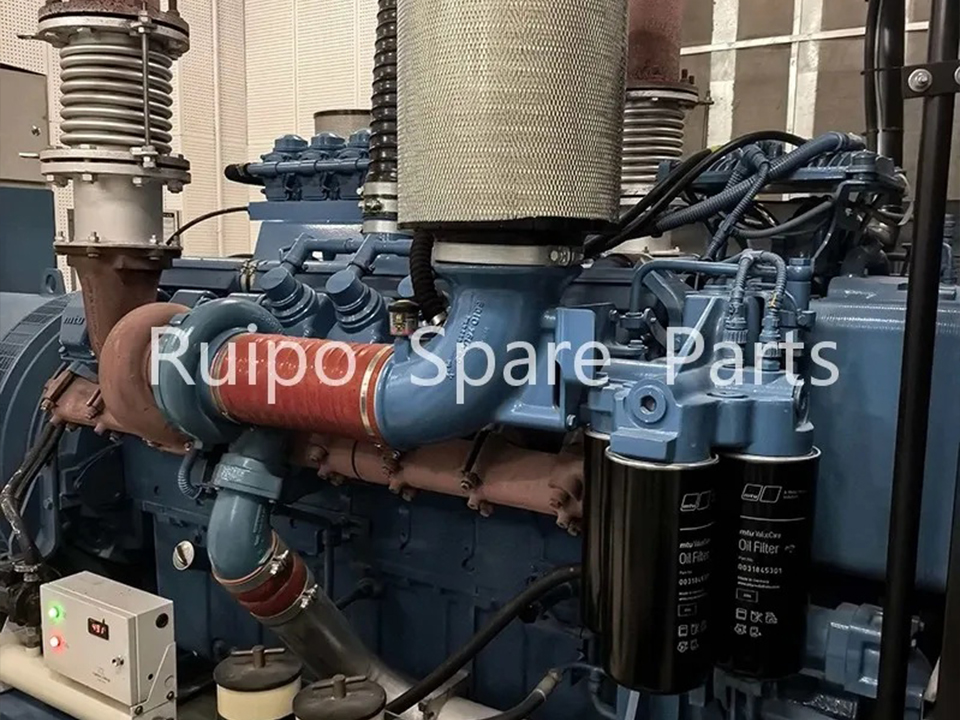
So when we talk about MTU diesel generator maintenance, I start with discipline, not drama. The MTU 18V 2000 G63 is the sort of engine that exposes weak process fast: dirty pre-filtration, overdue oil service, poor air handling, loose belt condition, unstable coolant quality, incomplete load testing, and vague parts sourcing.
What actually failed in this case
Nothing magical.
In the representative failure pattern I see most often, the engine does not die because one heroic part suddenly gives up; it loses margin first, then confidence, then stability. Fuel contamination raises injector stress, oil condition gets ignored because the dipstick still looks “fine enough,” air restriction builds slowly, charge-air temperature creeps, belt wear is treated as cosmetic, and the control room only starts paying attention when load acceptance looks ugly and exhaust behavior stops looking clean.
I have a blunt opinion here. If your team cannot show me service records, batch traceability, and change intervals for the consumables basket, then you do not have a maintenance program; you have optimism.
That is exactly where MTU 18V 2000 G63 OEM parts matter. Not because every non-OEM component is junk. But because unknown origin parts turn a controlled maintenance event into a live experiment, and generator engines are a bad place to run experiments.
The parts decisions that separate uptime from excuses
Cheap parts cost double.
The counterfeit and gray-market problem is not a paranoid mechanic’s bedtime story anymore. In October 2024, the UK Intellectual Property Office said one in six surveyed motorists had bought a counterfeit vehicle part in the prior 12 months, 58% of those who did so knowingly said they knew it was fake, and 31% cited lower cost as the reason; the same campaign warned that counterfeit parts are not subject to the same rigorous testing as legitimate products. Different sector, same human weakness.
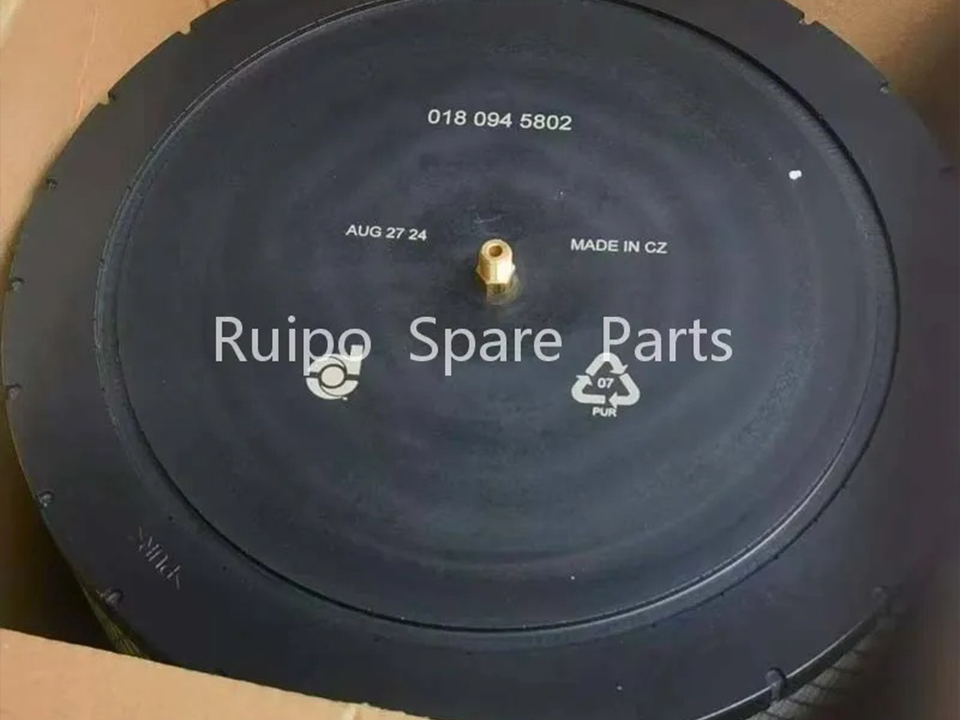
Air and drive components get abused in the same lazy way. I keep seeing teams overlook restriction trends until performance fades, even though the logic is obvious: a heavy-duty air-filter service setup for 2506 and 2806 diesel engines or a routine alternator belt wear check for 4016 engines teaches the same lesson as MTU service work does — air, tension, and contamination control are not side issues; they are engine life.
Where RUIPO fits, and where suppliers usually fail
I am skeptical of suppliers by default.
Most sellers talk about availability. I care more about identification accuracy, serial-number matching, packaging integrity, seal condition, replacement logic, and whether the parts desk understands the difference between “can fit” and “should fit.” That is the gap RUIPO has to close if it wants to be taken seriously in a market full of catalog copycats pushing “best OEM parts for MTU 2000 G63” language without the discipline to support it.
For me, a good supplier does four things. It narrows the correct MTU 18V 2000 G63 OEM parts set, keeps documentation tight, reduces fitment ambiguity during maintenance windows, and shortens the distance between diagnosis and restart. If RUIPO can do that consistently, then it is not just selling OEM spare parts for MTU engines; it is buying operators back their sleep.
The maintenance pattern I would enforce before overhaul money gets burned
Start smaller.
Before anyone starts talking about a major teardown, I want contamination control, oil analysis, coolant chemistry verification, belt and hose inspection, air-side restriction review, filter history, injector behavior, exhaust temperature spread, and a clean record of load-bank or real-load performance. A lot of engines are pushed toward overhaul rhetoric when what they really need is disciplined recovery work.
Here is the uncomfortable part. MTU engine overhaul case study stories often begin months before the first emergency call, when the site tolerates rising soot, unstable starts, dirty housings, unexplained differential pressure changes, glycol drift, or unverified replacements because production cannot spare the hour. That is not operational realism. That is debt.
Maintenance zone
What the team usually sees first
What I think is really happening
Why OEM choice matters
Likely cost of getting it wrong
Fuel system
Hard starts, haze, uneven load pickup
Water, fine particulate, poor filter media performance, injector stress
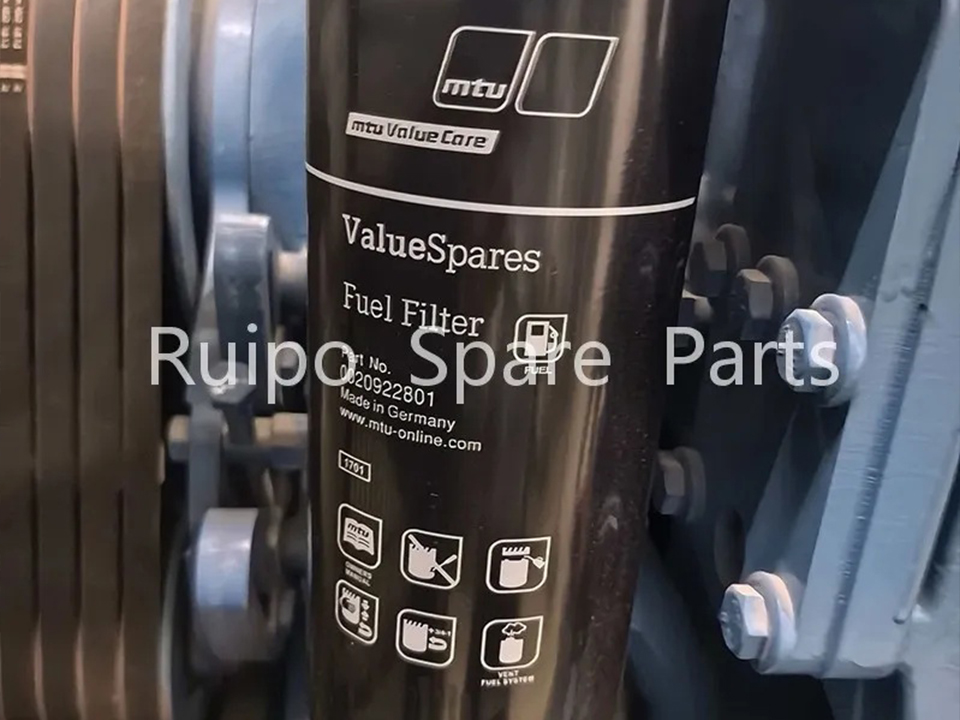
Correct filtration efficiency and seal quality protect injector life
Lost load acceptance, injector damage, unscheduled callout
Correct materials compatibility reduces leaks and chemistry mismatch
Head-gasket stress, hot shutdown risk
Belt/drive system
Chirp, dust, charging instability
Belt glazing, tension loss, pulley wear
Proper belt spec and fit prevent slip under transient demand
Charging faults, accessory instability
Controls and testing
Passes idle checks but behaves badly at real load
Maintenance done for appearance, not for load response
Parts alone cannot save weak commissioning and weak testing
False confidence, public failure, ugly downtime
How to maintain MTU 18V 2000 G63 engine without lying to yourself
I would rather hear a site manager admit, “We missed intervals,” than say, “The unit failed out of nowhere.” Honesty speeds recovery. Denial sends people shopping for parts they do not need while the real root cause stays on the engine.
So, how to maintain MTU 18V 2000 G63 engine the right way? Keep the program brutally simple: verify fluids, verify filtration, verify air path, verify cooling stability, verify belts and rotating accessories, verify sensor confidence, and verify performance under actual load. Then document everything. Then refuse mystery parts.
FAQs
What is MTU 18V 2000 G63 engine maintenance?
MTU 18V 2000 G63 engine maintenance is the scheduled and condition-based servicing of the engine’s fuel, lubrication, air, cooling, belt, and control systems to preserve starting reliability, load acceptance, thermal stability, emissions behavior, and overhaul life in generator duty. After that definition, the real answer is simpler: keep contamination out, keep heat under control, and stop guessing on parts.
Why are MTU 18V 2000 G63 OEM parts usually the safer choice?
MTU 18V 2000 G63 OEM parts are components supplied to the original specification for fit, material quality, sealing behavior, and traceability, which reduces the odds of maintenance-induced faults caused by tolerance drift, weak media, packaging damage, or undocumented substitutions. I am not worshipping brand marks here; I am defending predictability, which is what uptime teams actually buy.
How often should MTU 2000 series engine parts be inspected or replaced?
MTU 2000 series engine parts should be inspected or replaced according to operating hours, duty cycle, fuel cleanliness, ambient dust load, coolant condition, and documented service intervals, with filtration, belts, oil condition, and air-side performance reviewed far more often than operators usually prefer. The hard truth is that standby units still age, and low run hours do not excuse poor consumable discipline.
What are the first warning signs that MTU diesel generator maintenance is slipping?
The first warning signs that MTU diesel generator maintenance is slipping are small but repeatable deviations in start quality, exhaust appearance, oil condition, restriction trends, coolant stability, belt wear, alarm history, and load response, especially when technicians begin normalizing them instead of escalating them. Once the team starts saying “it always does that,” the decline is already underway.
If you are managing a Series 2000 asset and you want fewer surprises, ask RUIPO for a maintenance parts package built around exact identification, service interval logic, and traceable OEM supply — not generic catalog promises, not vague substitutes, and definitely not bargain-bin guesswork.