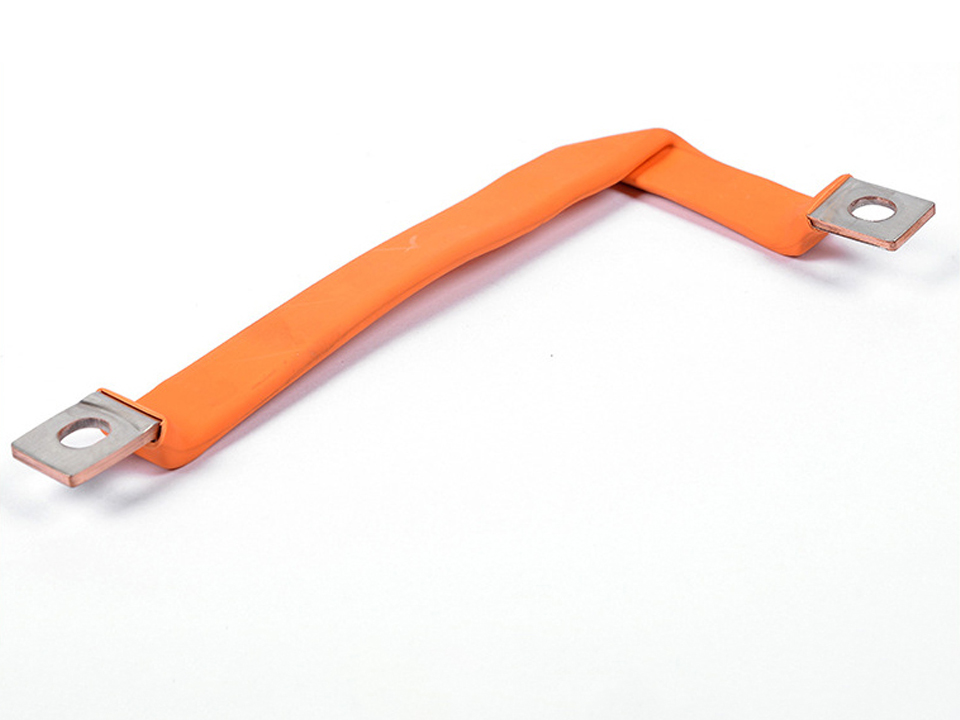
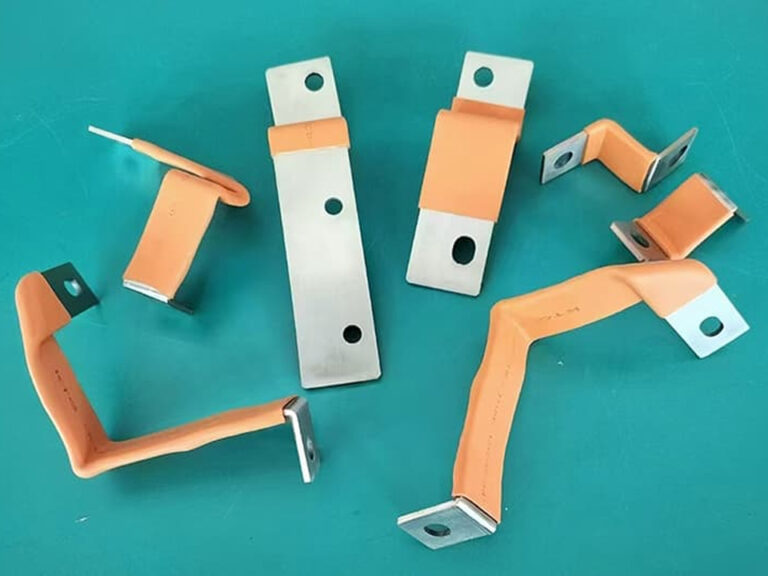
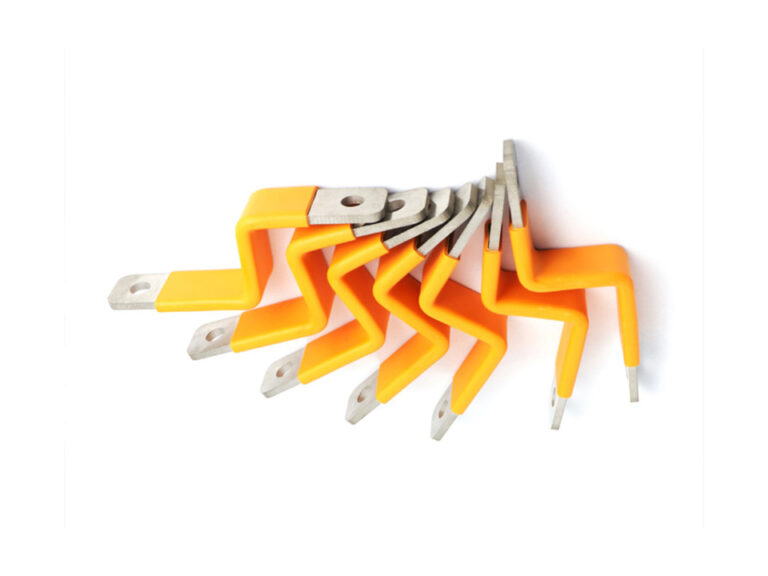
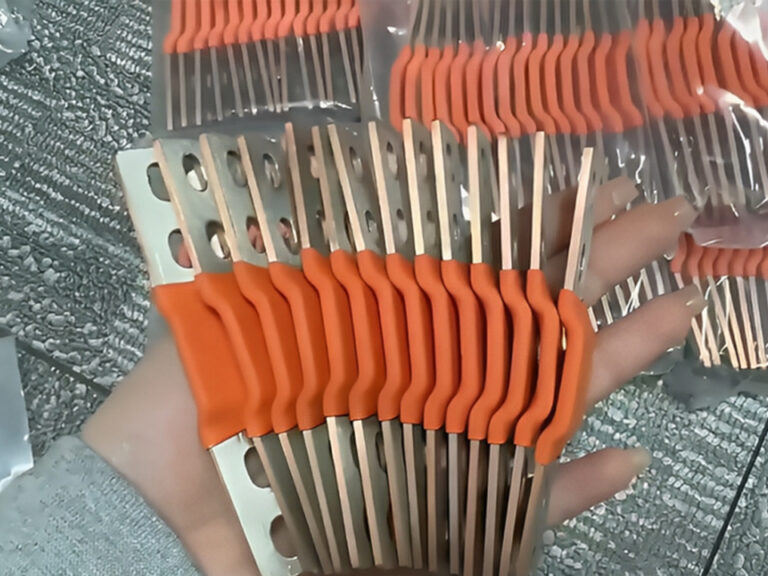
Need custom copper or aluminum busbars for EV batteries, energy storage systems, power distribution, or industrial electrical equipment? Our team provides insulated, flexible, laminated, plated, and bare busbar solutions with design support, testing guidance, and reliable manufacturing for projects in the USA and Europe.
As the core conductor of electric power equipment, the surface cleanliness directly affects the conductivity and service life. In this article, the system combines physical, chemical, mechanical—three categories of the 10 scientific cleaning programs—combined with the authority of the experimental data, to provide a safe and efficient maintenance strategy to help enterprises reduce more than 30% of equipment maintenance costs.
I. Importance of copper busbar cleaning and industry standards
According to the International Copper Association (ICA) 2022 annual report, surface contamination can make the copper busbar’s conductivity decrease by 18%-25%; the thickness of the oxide layer increases by 1 μm each, the contact resistance rises by 40%. China’s GB/T 5585.1-2018 standard clearly stipulates that the surface roughness of industrial copper busbars should be ≤ 0.8 μm, and the cleanliness level needs to reach the Sa2.5 standard.
II.Physical cleaning methods and effect comparison
Soft cloth wiping method
Operation specification: use microfiber cloth (fiber diameter ≤ 3μm) along the grain of the copper busbar one-way wiping
Efficiency data: 90% of the surface dust can be removed (see Table 1).
Note: Avoid the use of silicon polishing cloth, easy to generate electrostatic adsorption.
Personal Protection Requirements (OSHA standards):
Class A protective clothing is required for chemical operations
Goggles ≥ 89% light transmission rate
Acid-proof gloves thickness ≥ 0.5mm
Waste water treatment process:
Acid and alkali waste liquid separation and storage
Copper ion concentration needs to be treated to ≤ 0.5mg / L (GB8978-1996)
Recommended use of ion exchange resin recovery system
VI. Maintenance cycle recommendations
Develop a maintenance program according to IEC 61439-1 standards:
Usage Environment
Cleaning Cycle
Deep Maintenance Cycle
Dry clean room
12 months
60 months
igh humidity and high dirt workshop
6 months
36 months
High humidity and high pollution workshop
3 months
12 months
Conclusion
Scientific selection of a copper cleaning program can make the equipment conductive, performance increased by 15%-20%, maintenance costs reduced by 25%-40%. It is recommended that companies establish a standardized cleaning process and choose a cost-effective solution in conjunction with the environment in which the equipment is used. Regularly refer to the NEMA VE1-2017 standard for effect verification to ensure that the copper busbar system is in the best working condition.