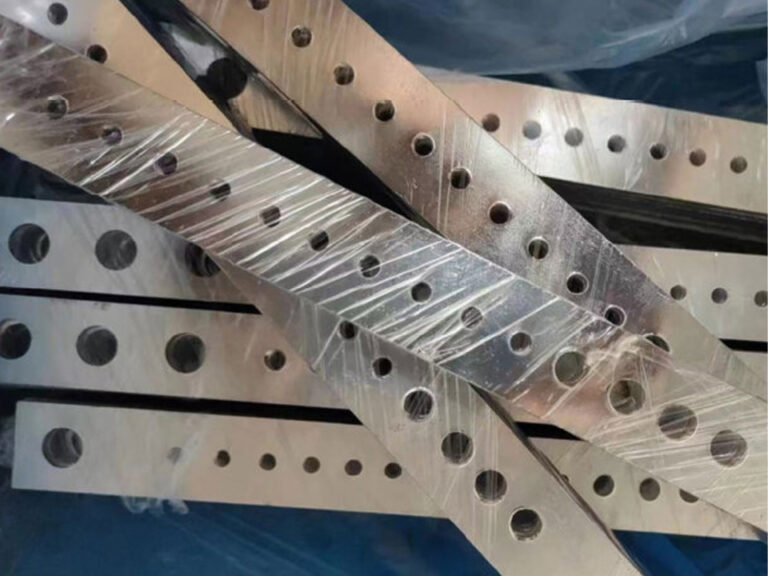
Tinned vs. Untinned Copper Busbar: A Comprehensive Guide

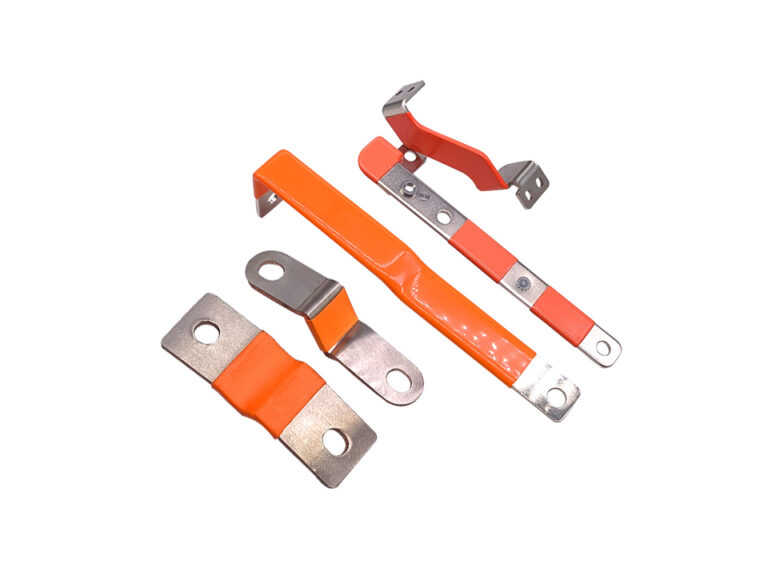
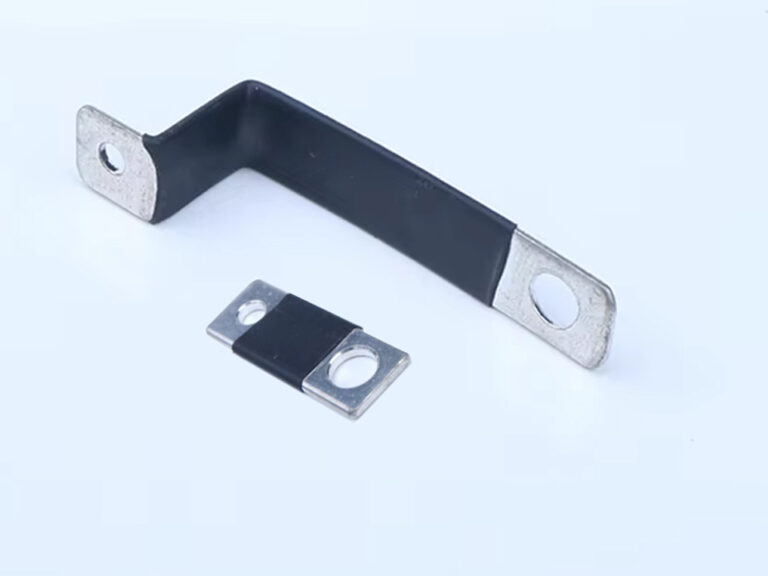
Tinned and non-tinned copper busbars differ in conductivity stability, corrosion resistance, temperature rise control, cost, and suitable applications. This guide explains when to choose tinned copper busbars for harsh environments and when standard copper busbars are the more economical option.
Tin-Plated Copper Bus: Benefits, plating process, and Applications

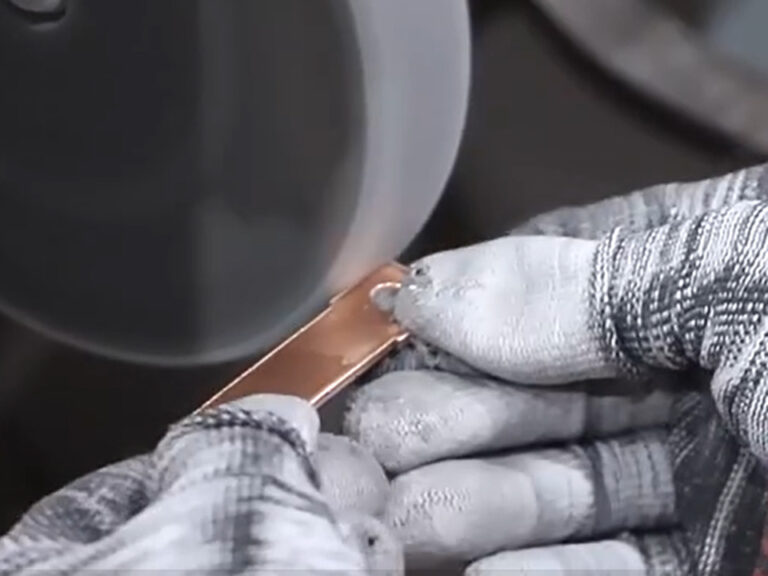
Tin-plated copper busbars improve conductivity, corrosion resistance, and solderability in high-current new energy systems. This guide explains tin plating processes, thickness selection, quality control, and key applications in EVs, PV inverters, and harsh environments.
Tin Plated Copper Bus Bar vs Copper Bus Bar: Which is Right for Your Project?

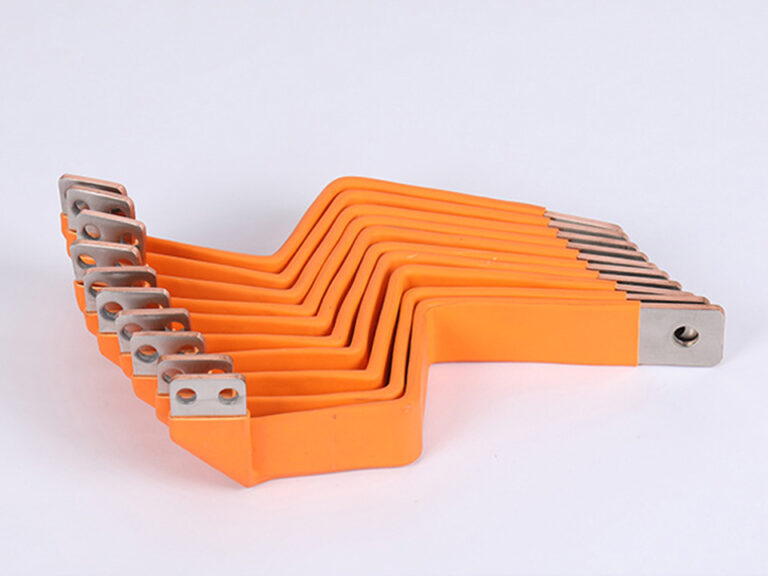
This article compares tinned copper busbars and copper busbars across conductivity, corrosion resistance, oxidation, welding, strength, and cost. It explains why tinned copper busbars are increasingly preferred in new energy, power equipment, and high-reliability electrical systems.
Why Plated Copper Bus Bar: A Comprehensive Guide

Copper busbar plating plays a critical role in improving conductivity, oxidation resistance, thermal stability, and service life. This article explores tin, silver, and nickel plating technologies across energy storage, semiconductors, photovoltaics, and power distribution.
Tin Plated Copper Busbar: Process & Benefits

Tinned copper busbars use advanced pretreatment, precision tin plating, and post-treatment processes to enhance conductivity and corrosion resistance. They are widely used in electric vehicles, smart grids, and renewable energy systems for reliable high-current performance.