What is the Difference Between Flexible and Solid Copper Busbar?

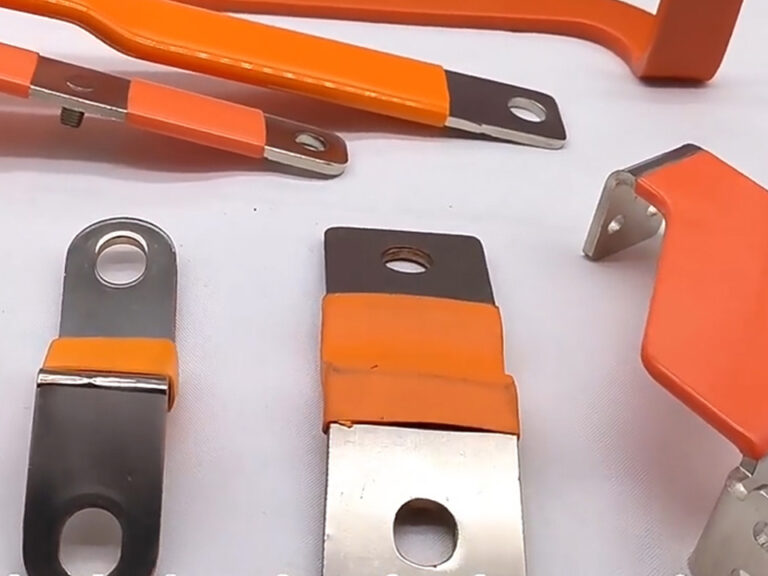
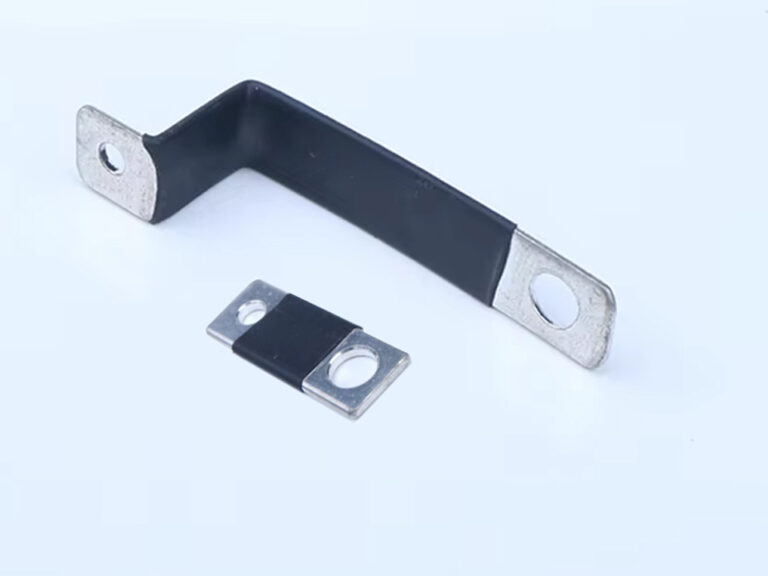
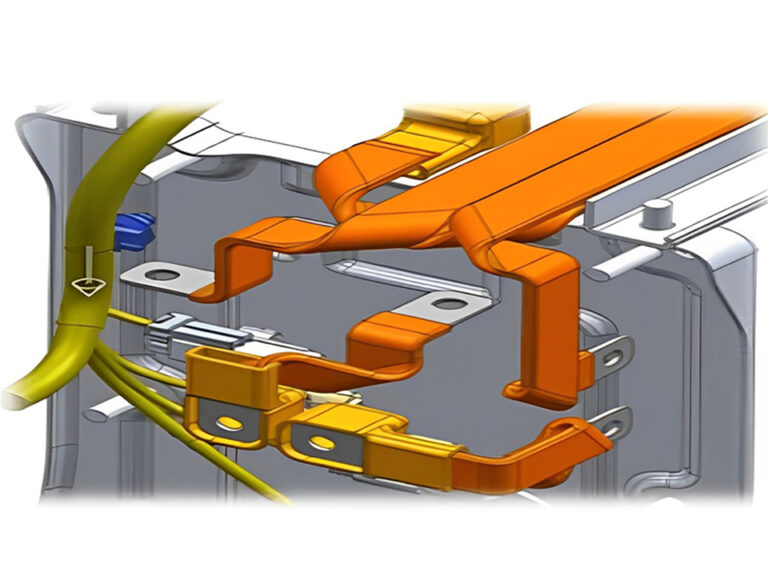
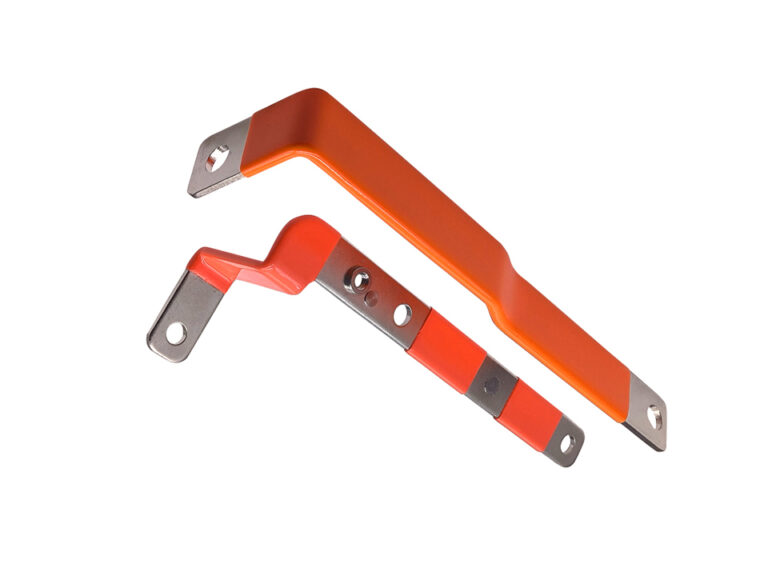
This post compares flexible copper busbars and solid copper busbars across materials, conductivity, strength, thermal performance, installation, cost, and environmental adaptability. It helps engineers choose the right copper busbar solution for new energy, EV batteries, power transmission, and industrial systems.
Tin-Plated Copper Bus: Benefits, plating process, and Applications

Tin-plated copper busbars improve conductivity, corrosion resistance, and solderability in high-current new energy systems. This guide explains tin plating processes, thickness selection, quality control, and key applications in EVs, PV inverters, and harsh environments.
How to Choose the Right Copper Bus Bar Type?

Copper busbars are essential components for efficient current transmission in electric vehicles, energy storage systems, and power distribution networks. This guide explains their types, material properties, manufacturing process, safety testing, and cost optimization strategies.
What is a Flexible Busbar and benefits?

Flexible copper busbar is transforming modern power transmission by offering excellent conductivity, flexibility, safety, and installation efficiency. This article explores its core advantages and applications in new energy, power systems, electronic equipment, and data centers.