




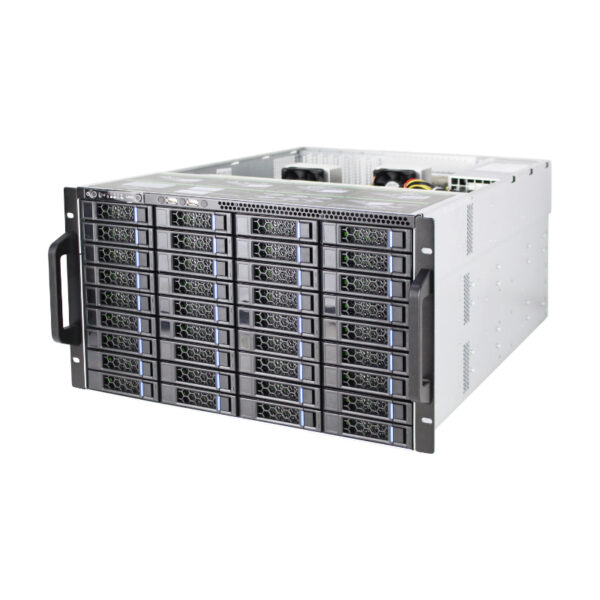
ISC-SC665-H60-T is a 6U rackmount storage chassis with 60 hot-swap 3.5 bays,…
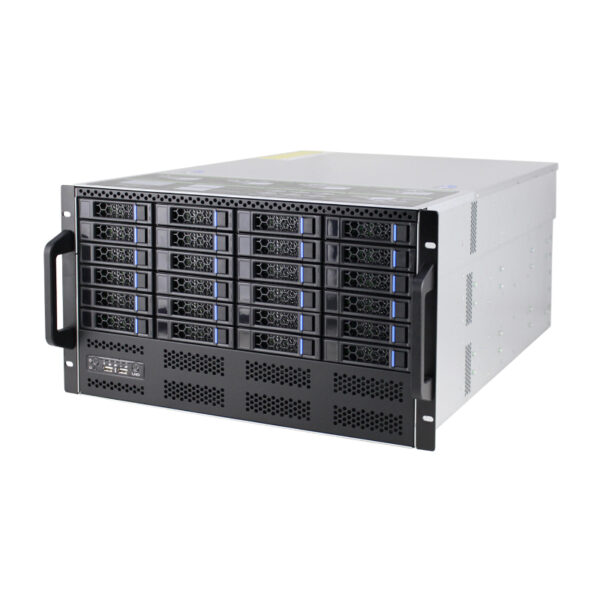
The ISC-SC665-H48-T is a 6U rackmount server chassis for up to 48…
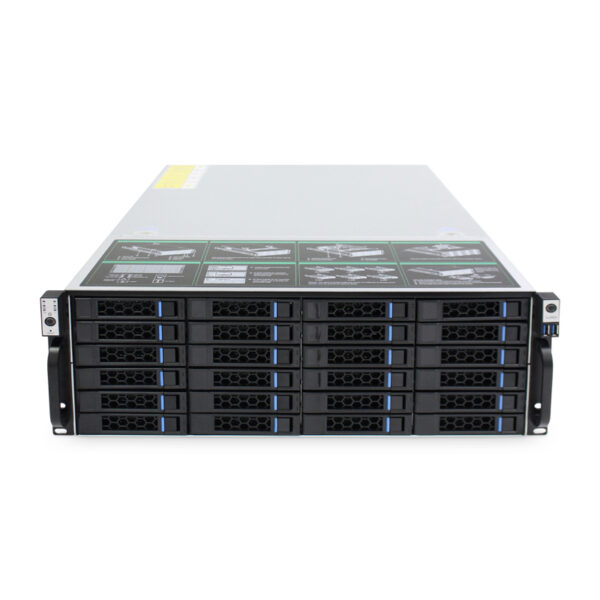
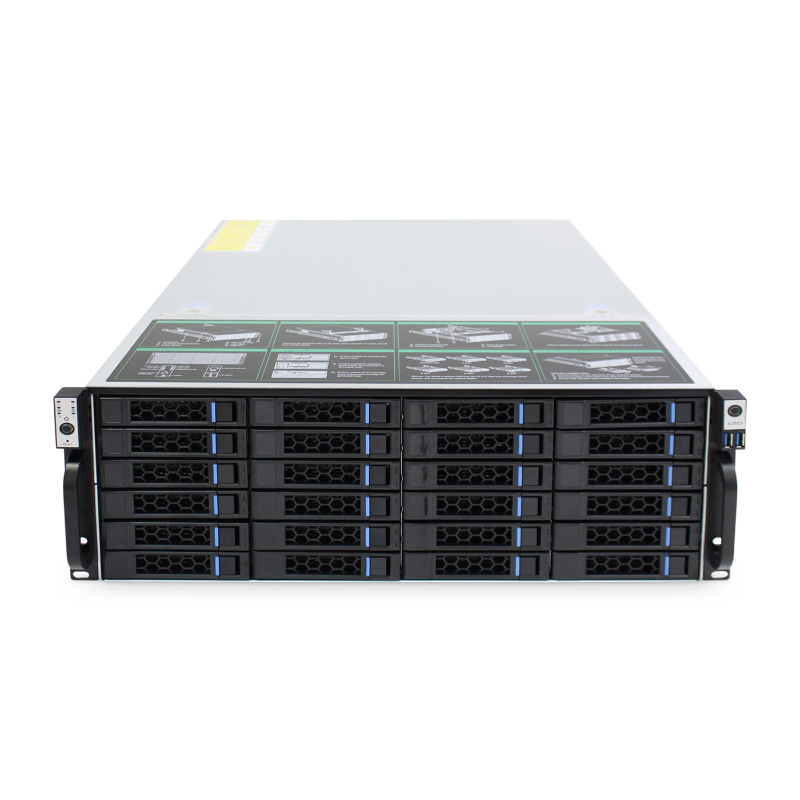
ISC-SC465-H36-T is a 4U rackmount storage chassis with 24 front and 12…
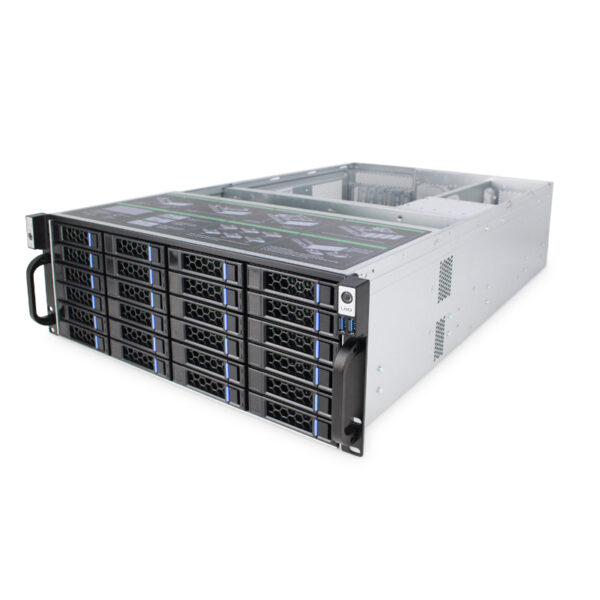
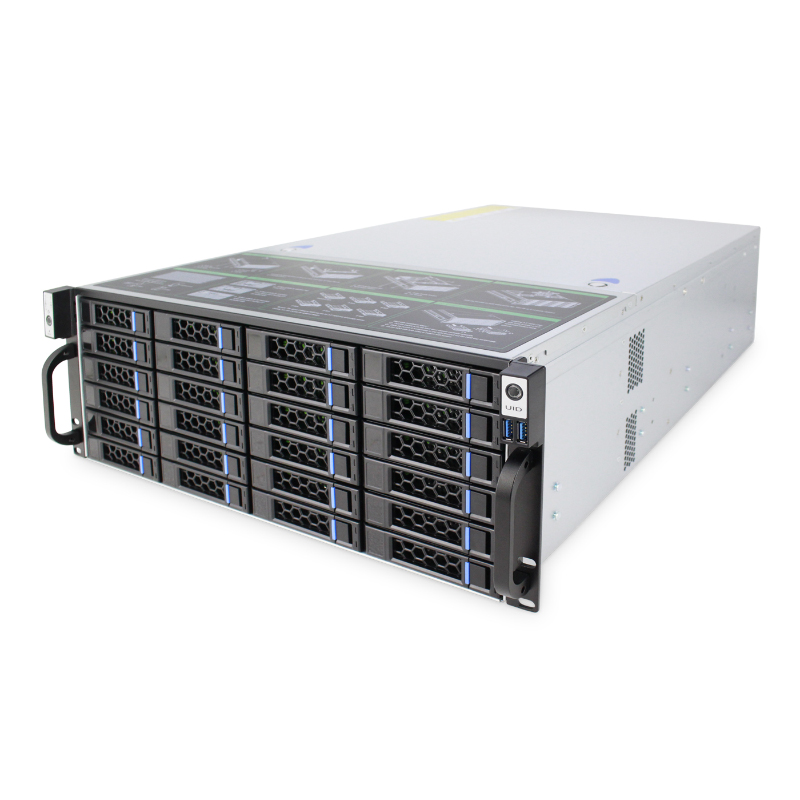
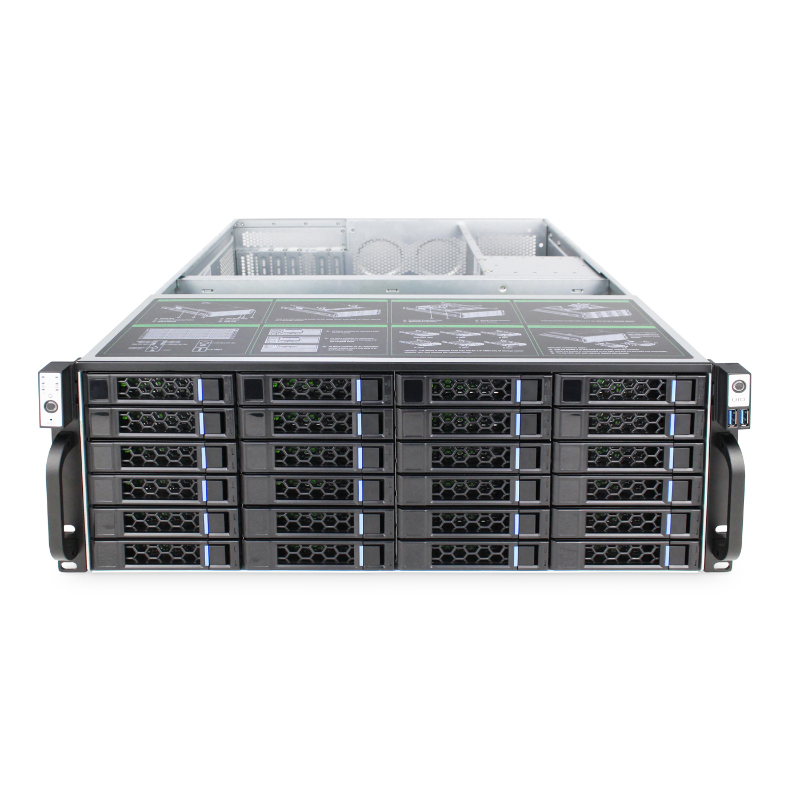
ISC-SC465-H24-T is a 4U rackmount storage chassis with 24 front 3.5-inch bays…
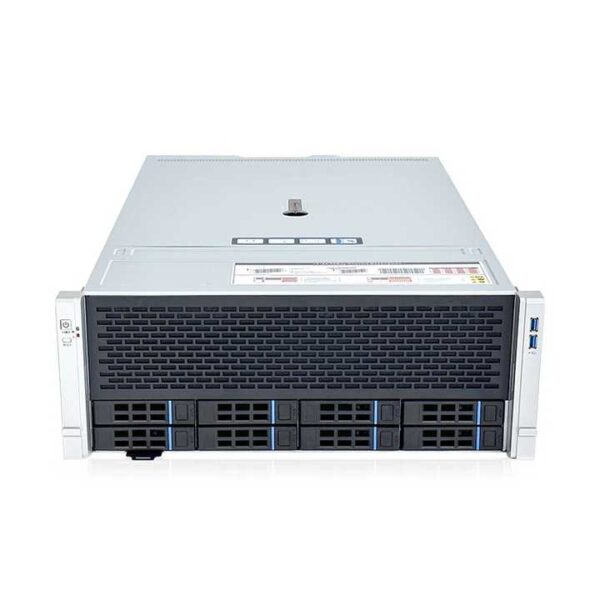
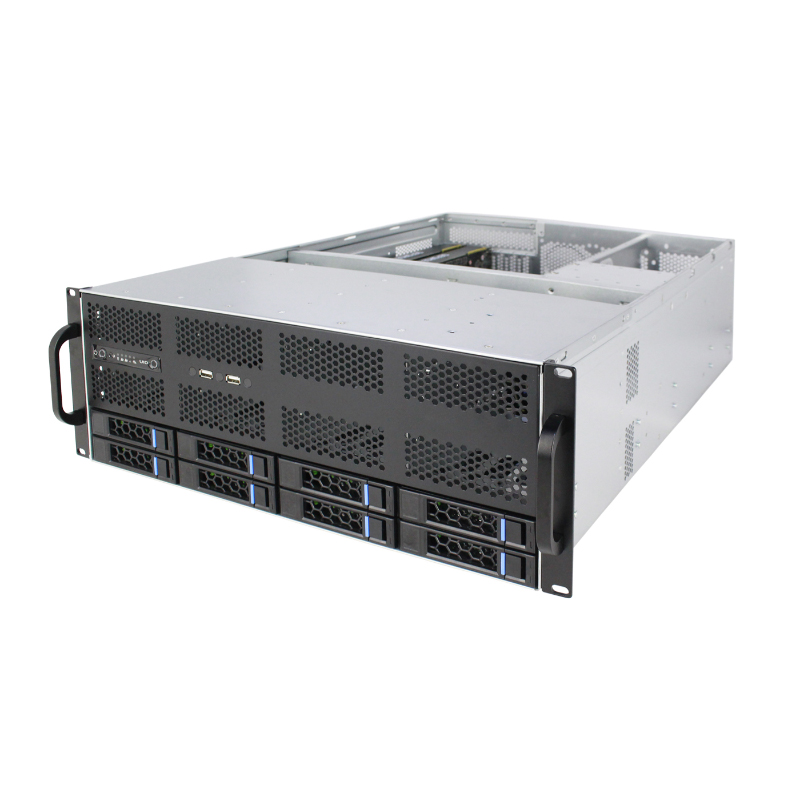
The ISC-SC465B08-L is a 4U rackmount server chassis with eight 3.5 SAS/SATA…
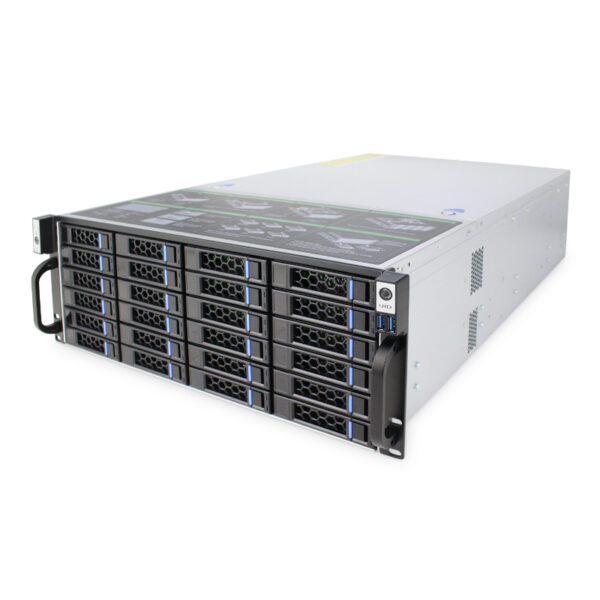
4U rackmount server chassis with 24 front bays for 3.5-inch drives and…
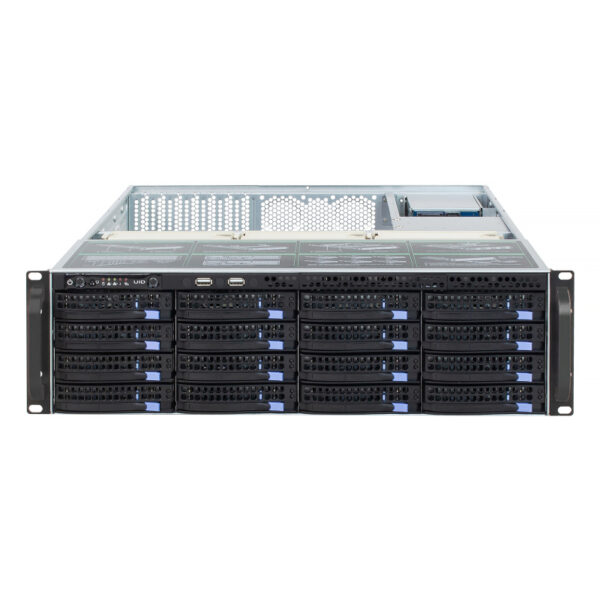
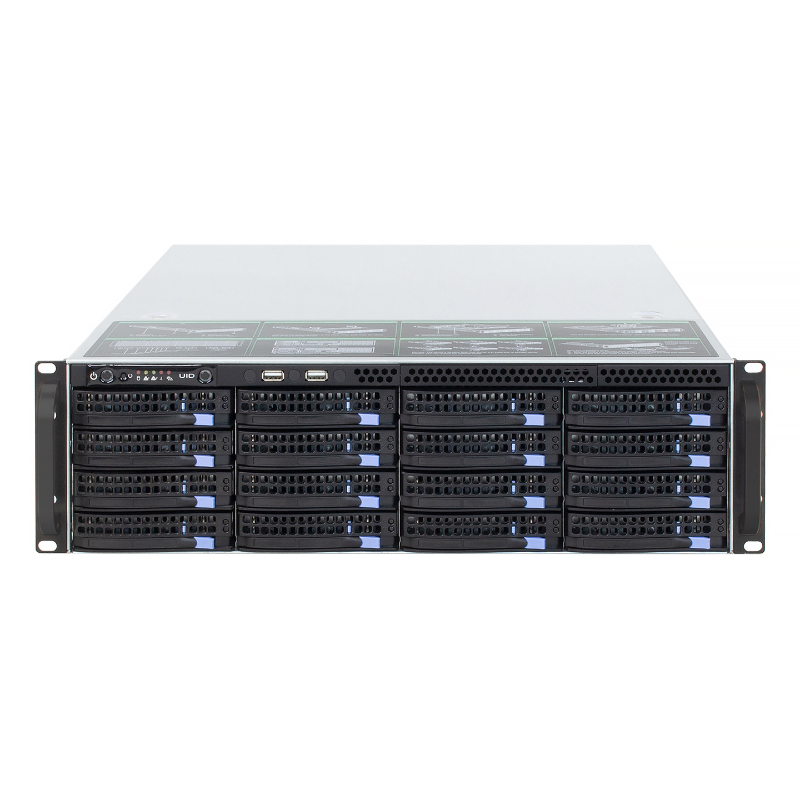
ISC-SC365-H16-T is a 3U rackmount server chassis with 16 front 3.5 hot-swap…
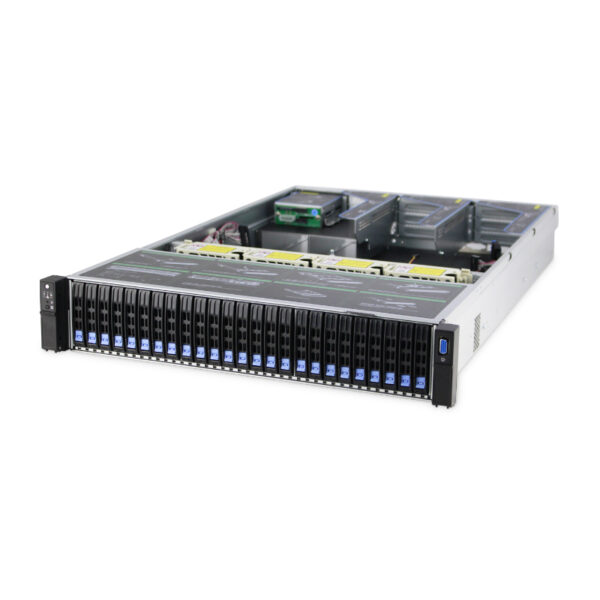
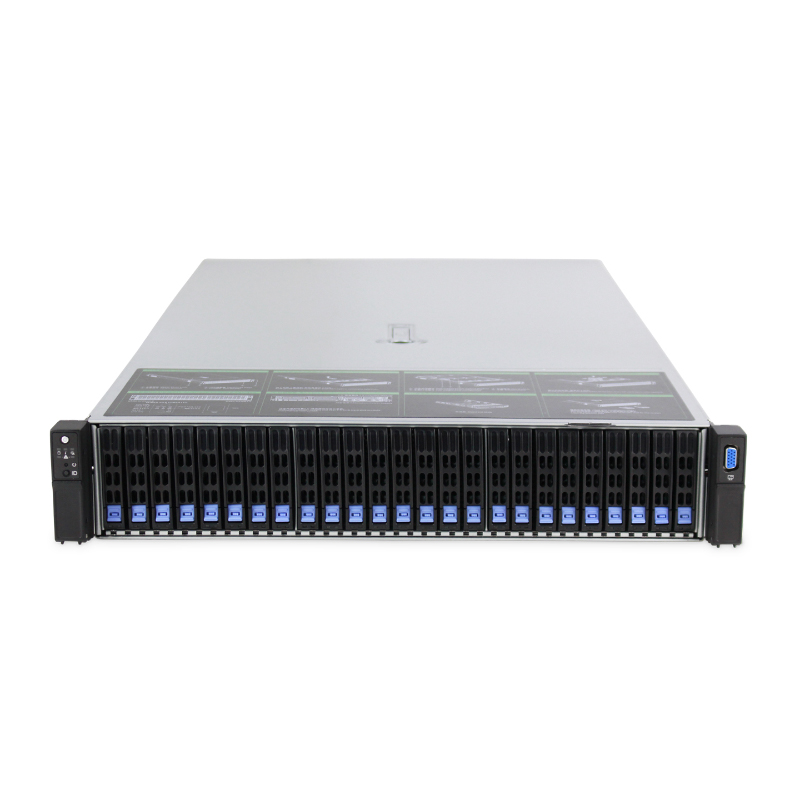
ISC-SC278S-H25-T is a 2U rackmount server chassis with 25 front 2.5-inch bays,…
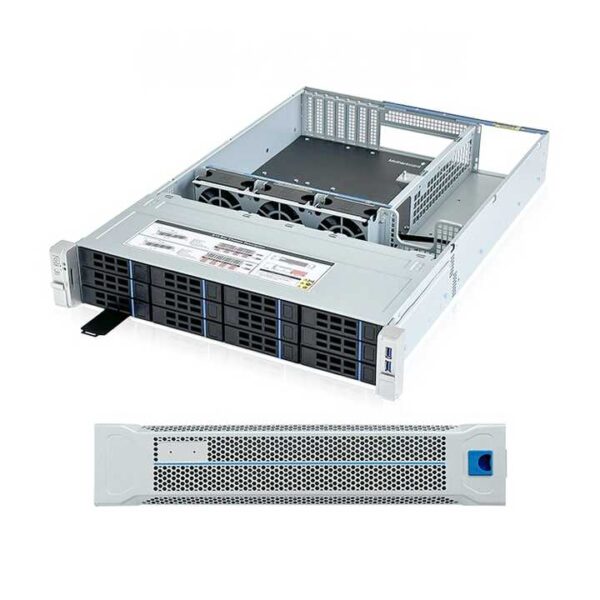
ISC-SC265C12-L is a 2U SECC steel server chassis with 12 SAS/SATA hot-swap…
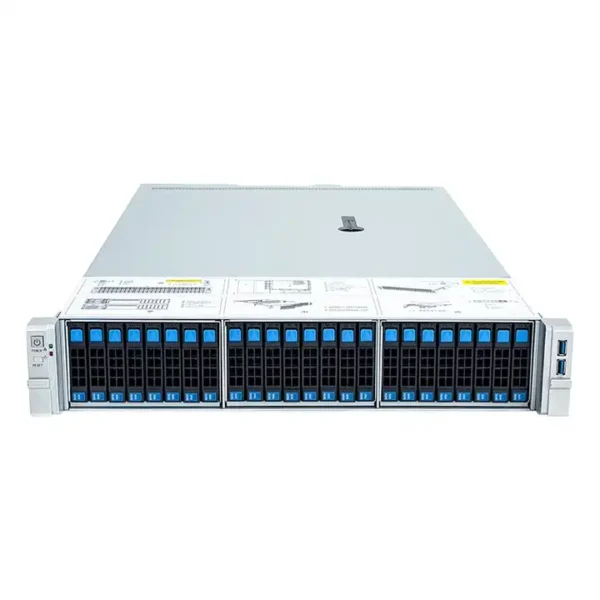
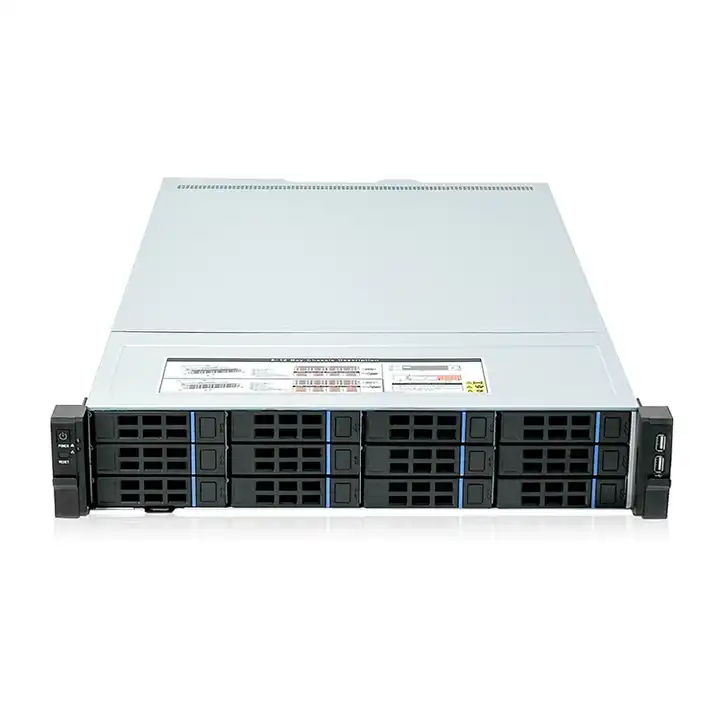
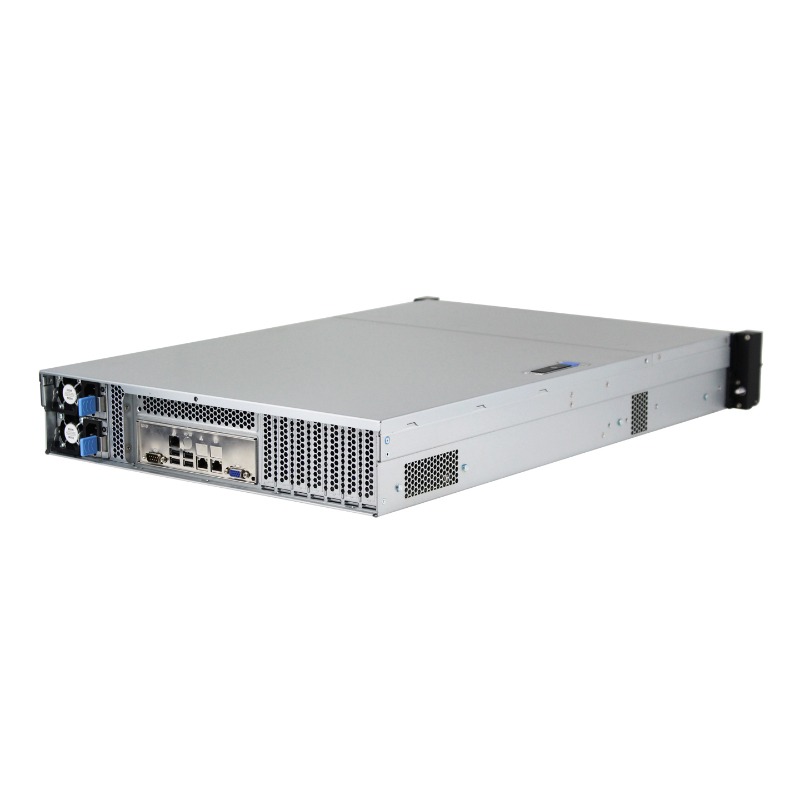
ISC-SC265B24-L is a 2U rackmount server chassis with 12 front hot-swap 3.5″/2.5″…
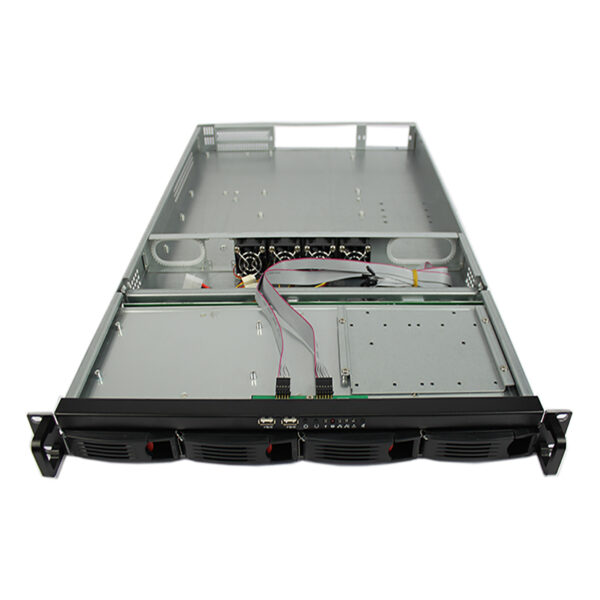
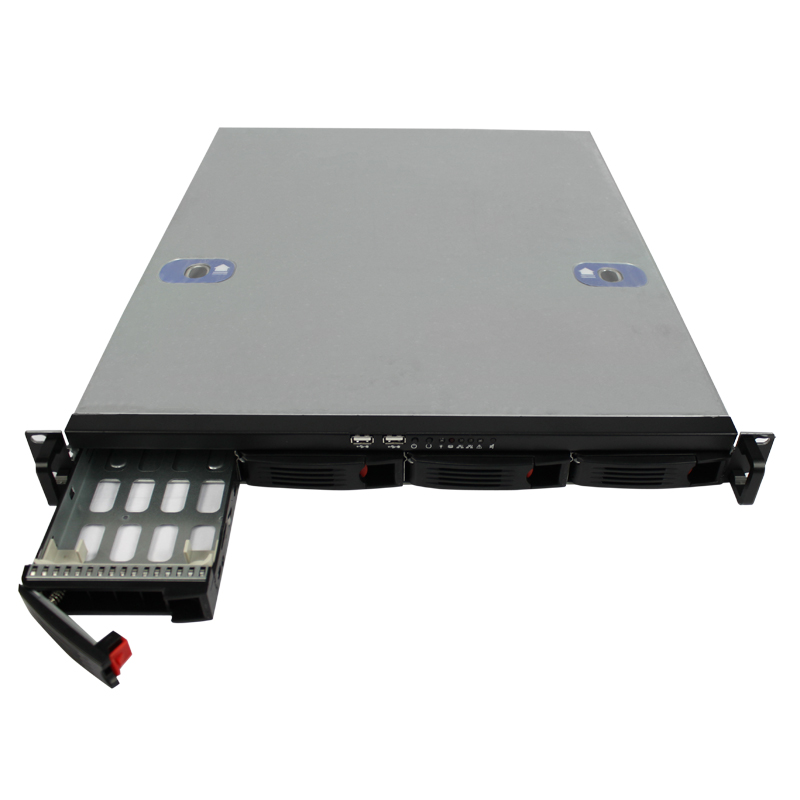
ISC-R166-4-M is a 1U rackmount server chassis with four visible front-access drive…
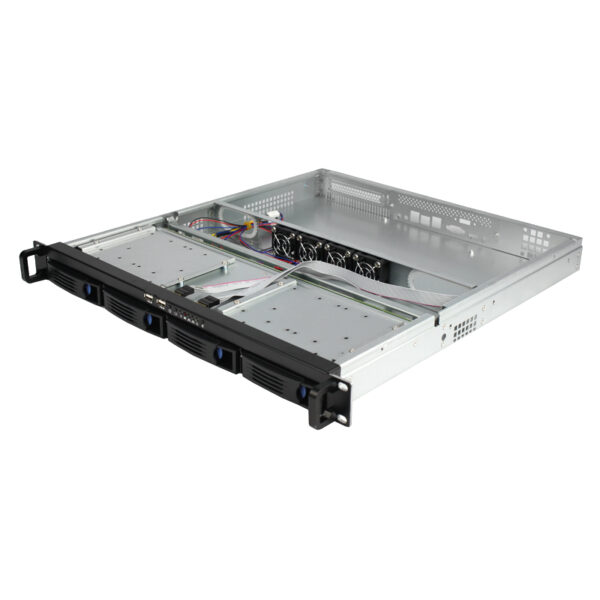
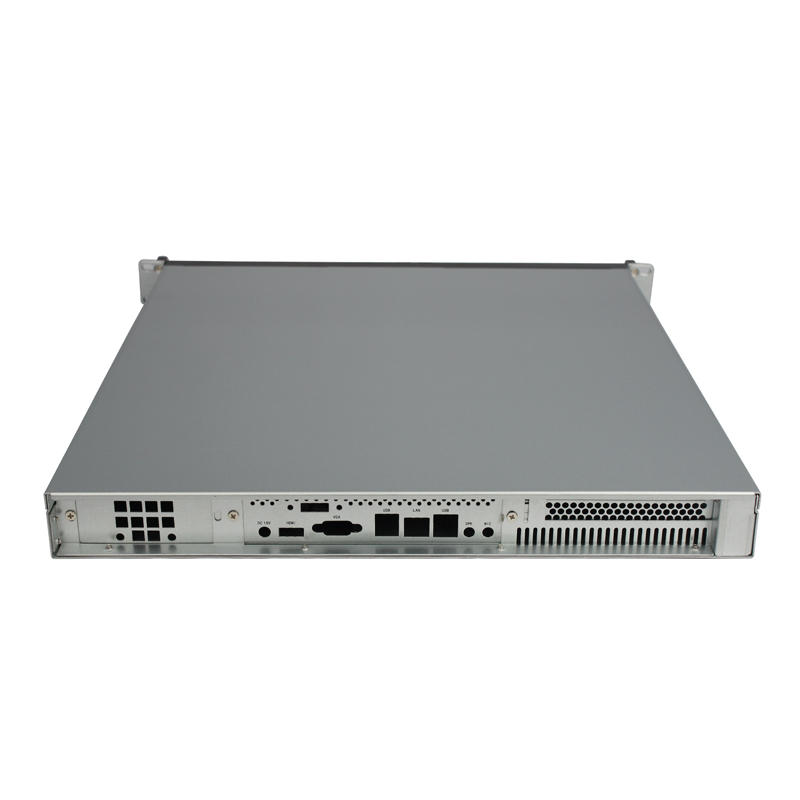
The iSTONECASE ISC-R148-4-M is a 1U SGCC steel rackmount chassis with support…
| Imagen del producto | Factor de forma | Dimensiones (D×A×H mm) | Material | Bahías HDD | Soporte para placas base | Opciones de PSU | Refrigeración | Ranuras de expansión | Apoyo a la personalización |
|---|---|---|---|---|---|---|---|---|---|
|
1U | 482×480×44.5 | SGCC, 1,2 mm | 4×3,5″ o 6×2,5″. | 7″×7″ (170×170 mm) | FLEX PSU | Ventiladores de 4×40×20 mm | 1 PCIe de altura completa | Sí |
|
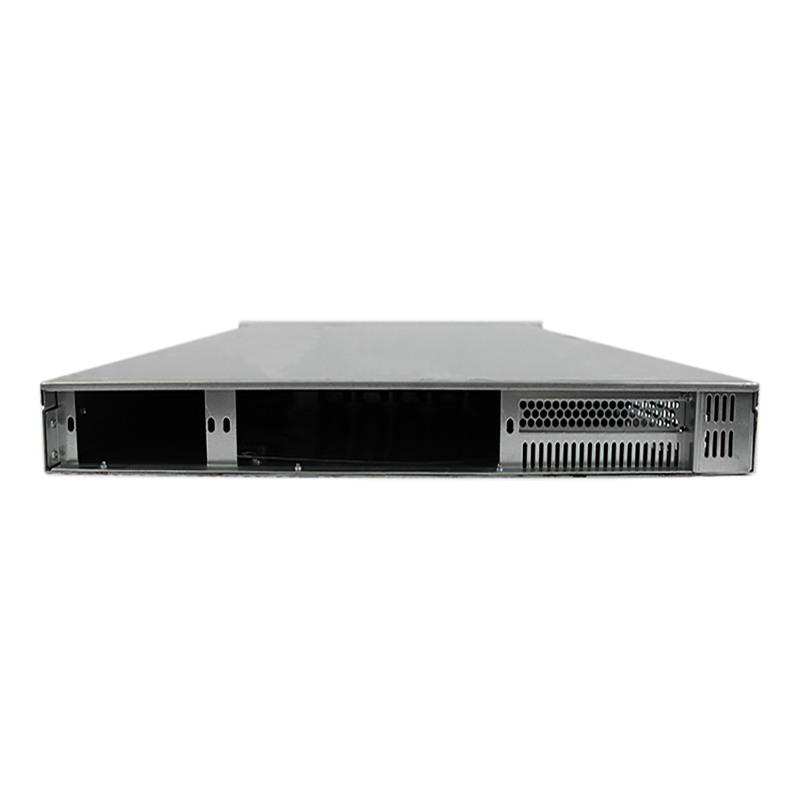
1U | 482×550×44.5 | SGCC, 1,2 mm | 4×3.5″ + 2×2.5″ | 12″×9,6″ (305×240 mm) | 1U especial PSU | Ventiladores de 4×40×28 mm | 1 PCI-E (elevador opcional) | Sí |
|
1U | 482×660×44.5 | SGCC, 1,2 mm | 4×3.5″ | 12″×13″ (305×340 mm) | 1U especial PSU | Ventiladores de 4×40×28 mm | 1 PCIe de altura completa (elevador) | Sí |
|
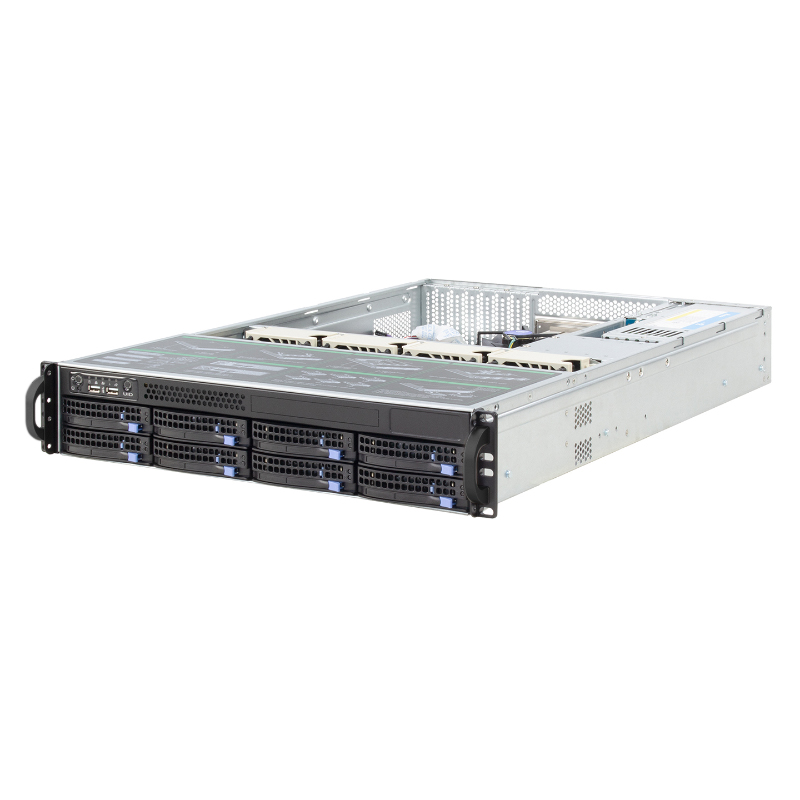
2U | 650×437.5×88 | SGCC, 1,0 mm | 8×3.5″ + 3×2.5″ | ≤12″×13″ | 2U PSU / CRPS | Rodamientos de bolas de 3×80 mm | 7 PCIe de media altura | Sí |
|
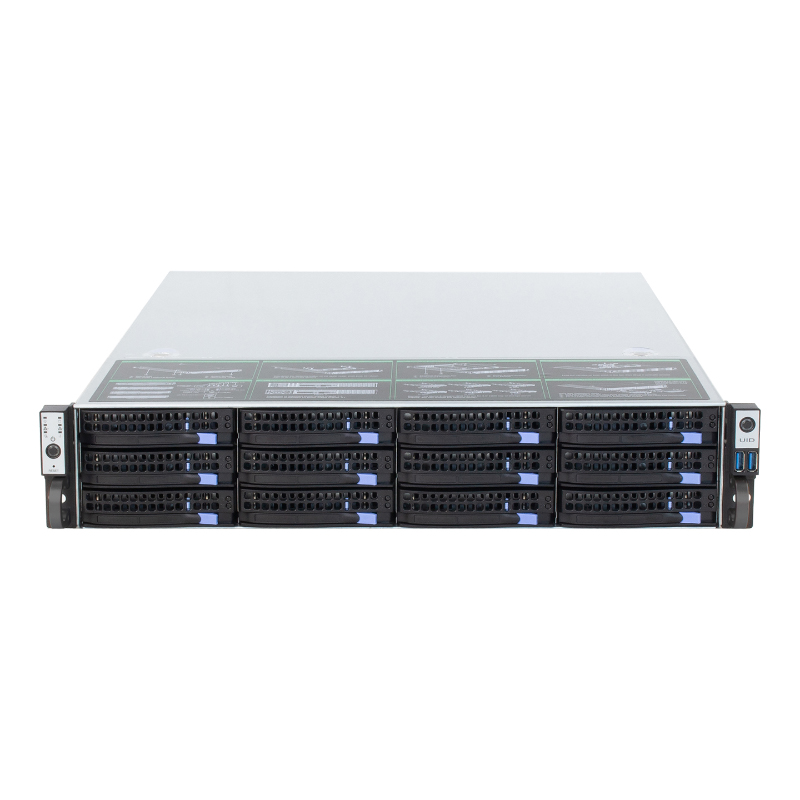
2U | 650×437.5×88 | SGCC, 1,0 mm | 12×3.5″ + 3×2.5″ | ≤12″×13″ | 2U PSU / CRPS | Rodamientos de bolas de 3×80 mm | 7 PCIe de media altura | Sí |
|
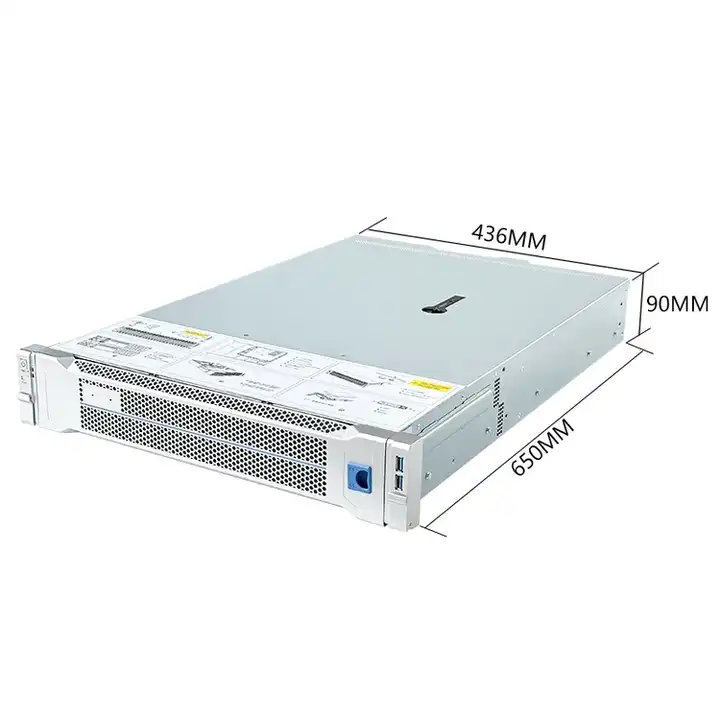
2U | 650×436×90 | SECC/Plástico, 1,0 mm | 12×3,5″/2,5″ intercambiables en caliente | E-ATX/CEB/ATX/μATX | Fuente de alimentación redundante o 2U | 3×80 mm intercambiables en caliente | 7 PCIe de media altura | Sí |
|
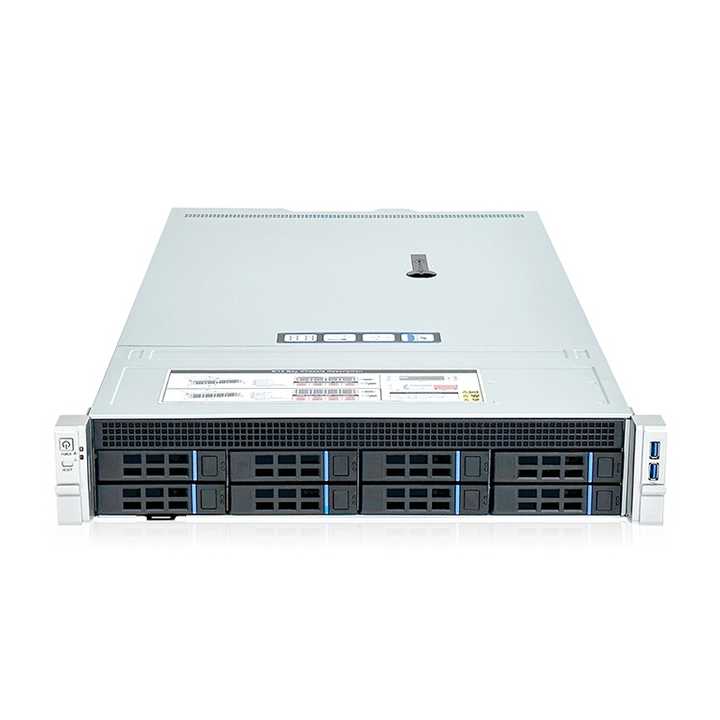
2U | 650×436×90 | SECC/Aleación/Plástico, 1,0 mm | 8×3,5″/2,5″ intercambiables en caliente | E-ATX/CEB/ATX/μATX | Fuente de alimentación redundante o 2U | 3×80 mm intercambiables en caliente | 7 PCIe de media altura | Sí |
|
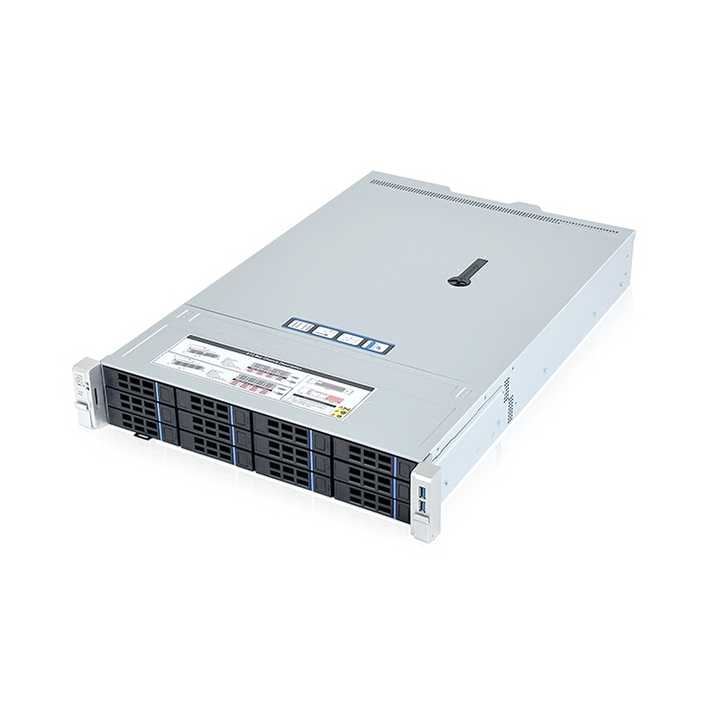
2U | 650×436×90 | SECC/Aleación/Plástico, 1,0 mm | 12×3,5″/2,5″ intercambiables en caliente | E-ATX/CEB/ATX/μATX | Fuente de alimentación redundante o 2U | 3×80 mm intercambiables en caliente | 7 PCIe de media altura | Sí |
|
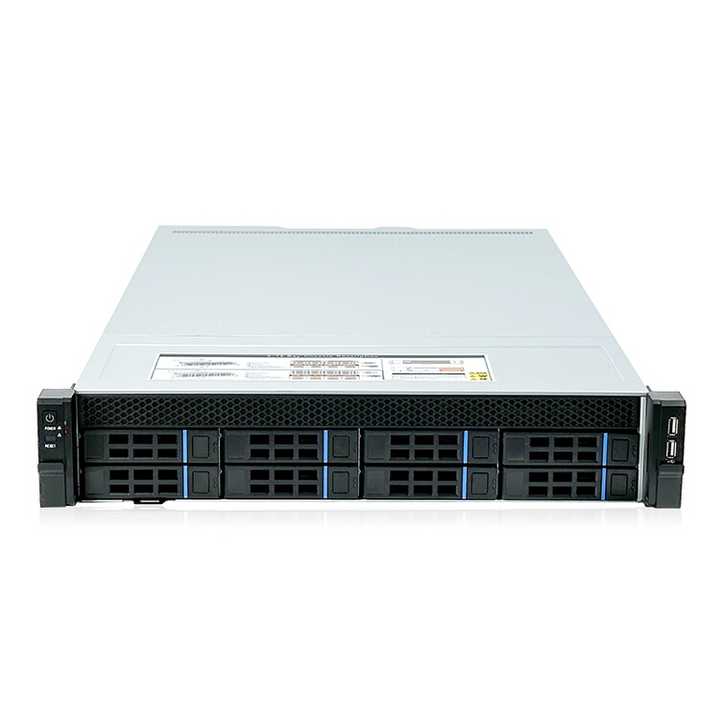
2U | 650×436×90 | SECC/Plástico, 1,0 mm | 8×3,5″/2,5″ intercambiables en caliente | E-ATX/CEB/ATX/μATX | Fuente de alimentación redundante o 2U | 3×80 mm intercambiables en caliente | 7 PCIe de media altura | Sí |
|
2U | 650×436×90 | SECC/Plástico, 1,0 mm | 12×3,5″/2,5″ intercambiables en caliente | E-ATX/CEB/ATX/μATX | Fuente de alimentación redundante o 2U | 3×80 mm intercambiables en caliente | 7 PCIe de media altura | Sí |
|
2U | 650×437.5×88 | SGCC, 1,0 mm | 25×2.5″ | ≤12″×13″ | 2U/CRPS | 3×80 mm intercambiables en caliente | 7 PCIe de media altura | Sí |
|
2U | 780×437.5×88 | SGCC, 1,0 mm | 25×2.5″ | A medida | CRPS | 4×80 mm intercambiables en caliente | 2 de altura completa + 1 de media altura | Sí |
|
3U | 650×437.5×132 | SGCC, 1,0 mm | 16×3.5″ + 3×2.5″ | ≤12″×13″ | 2U PSU / CRPS | 3×120 mm intercambiables en caliente | 7 PCIe de altura completa | Sí |
|
4U | 560×437.5×176 | SGCC, 1,0 mm | 24×3.5″ + 3×2.5″ | Estándar | ATX/CRPS | 3×120 mm intercambiables en caliente | 7 PCIe de altura completa | Sí |
|
4U | 560×437.5×176 | SGCC, 1,0 mm | 24×3.5″ + 3×2.5″ | Estándar | ATX/CRPS | 2×120 mm | 7 PCIe de altura completa | Sí |
|
4U | 650×437.5×177 | SGCC, 1,0 mm | 24 delante + 12 detrás 3.5″ | Placa base expansora | 2U PSU/CRPS | Rodamiento de bolas de 3×120 mm | 7 PCIe de media altura | Sí |
|
4U | 650×437.5×177 | SGCC, 1,0 mm | 8×3.5″/2.5″ | Directo/SFF8087 | 2U PSU/CRPS | 3×120 mm intercambiables en caliente | 7 PCIe de altura completa | Sí |
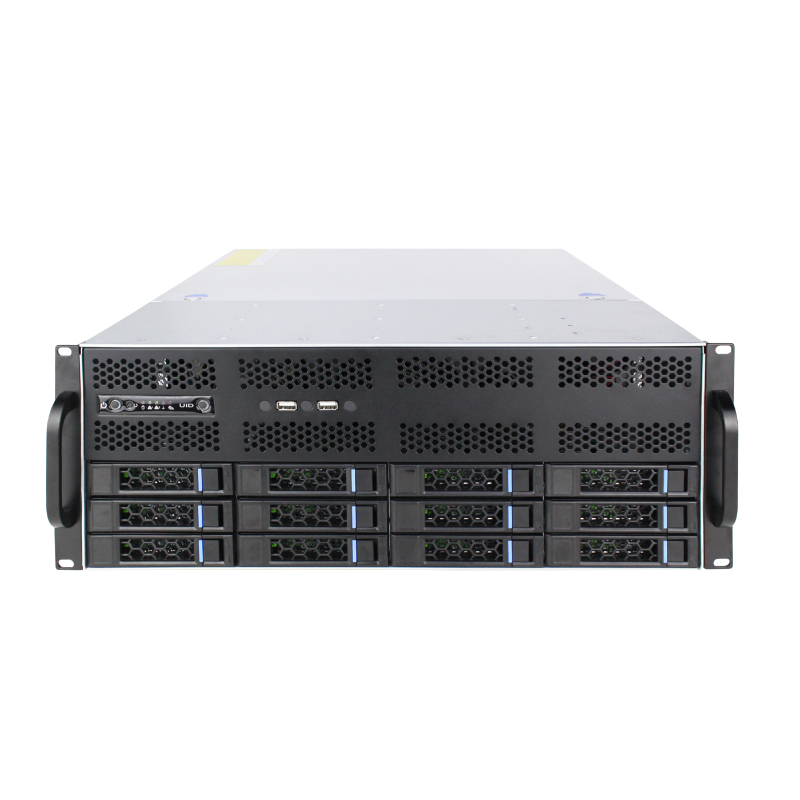
|
4U | 650×437.5×177 | SGCC, 1,0 mm | 12×3.5″/2.5″ | Directo/SFF8087 | 2U PSU/CRPS | 3×120 mm intercambiables en caliente | 7 PCIe de altura completa | Sí |
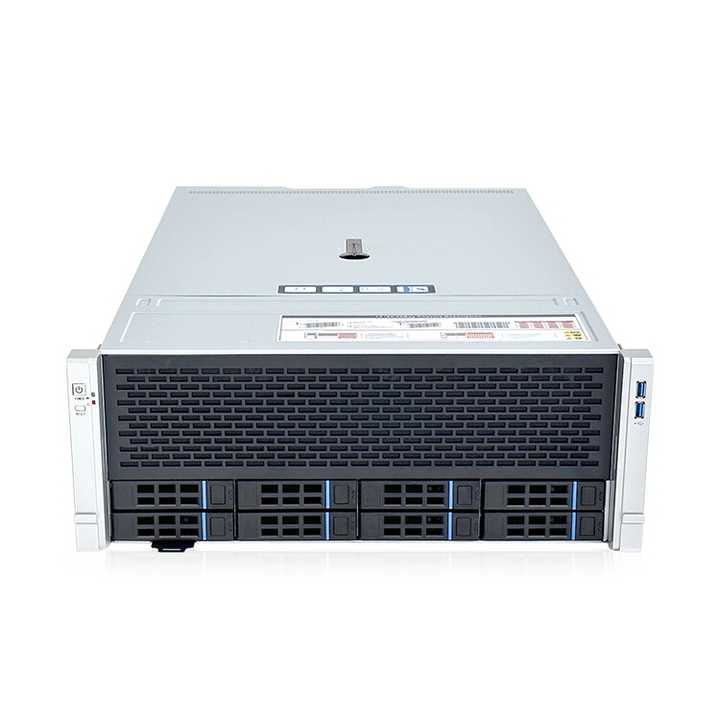
|
4U | 650×436×177 | SECC/Aleación/Plástico, 1,0 mm | 8×3.5″/2.5″ | 12 Gb/s SAS | Redundante/ATX | 3×120 mm + 2×80 mm | 11 PCIe de altura completa | Sí |
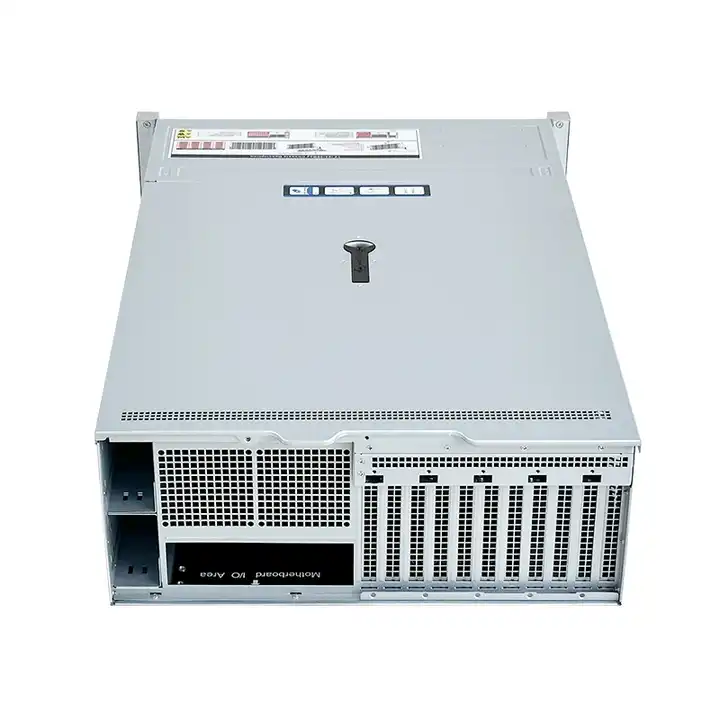
|
4U | 650×436×177 | SECC/Aleación/Plástico, 1,0 mm | 8×3.5″/2.5″ U.2 | Placas base directas 2×NVMe | Redundante/ATX | 3×120 mm + 2×80 mm | 11 PCIe de altura completa | Sí |
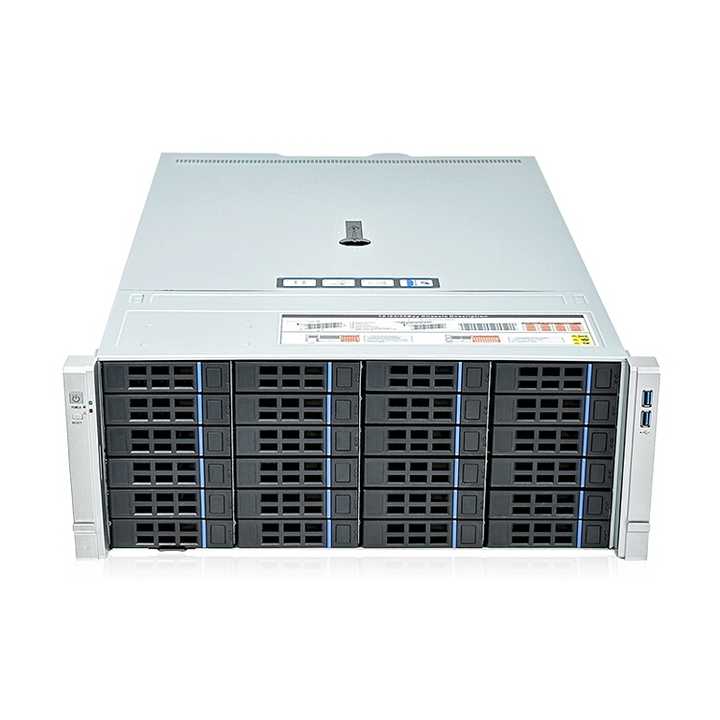
|
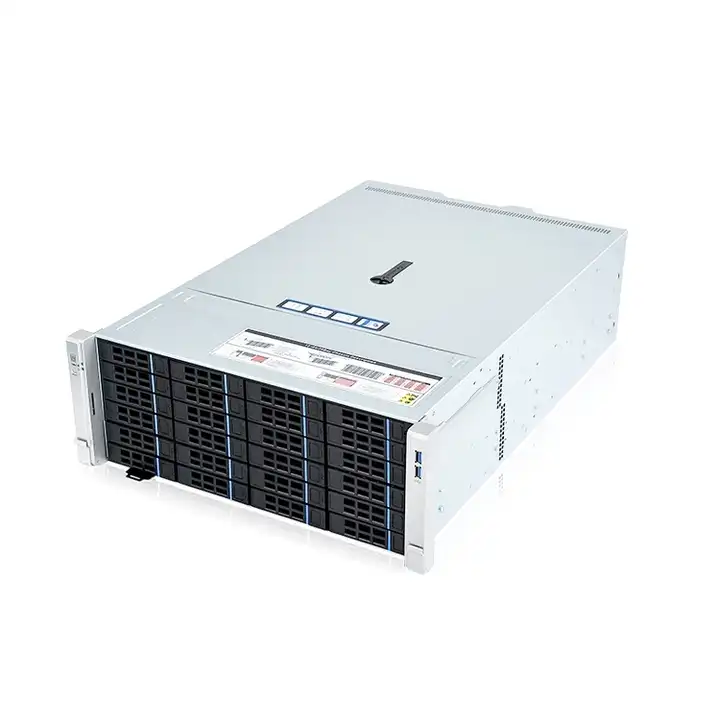
4U | 650×436×177 | SECC/Aleación/Plástico, 1,0 mm | 24×3.5″/2.5″ | SAS de 6 Gb/s | Redundante/ATX | 3×120 mm intercambiables en caliente | 7 PCIe de altura completa | Sí |
|
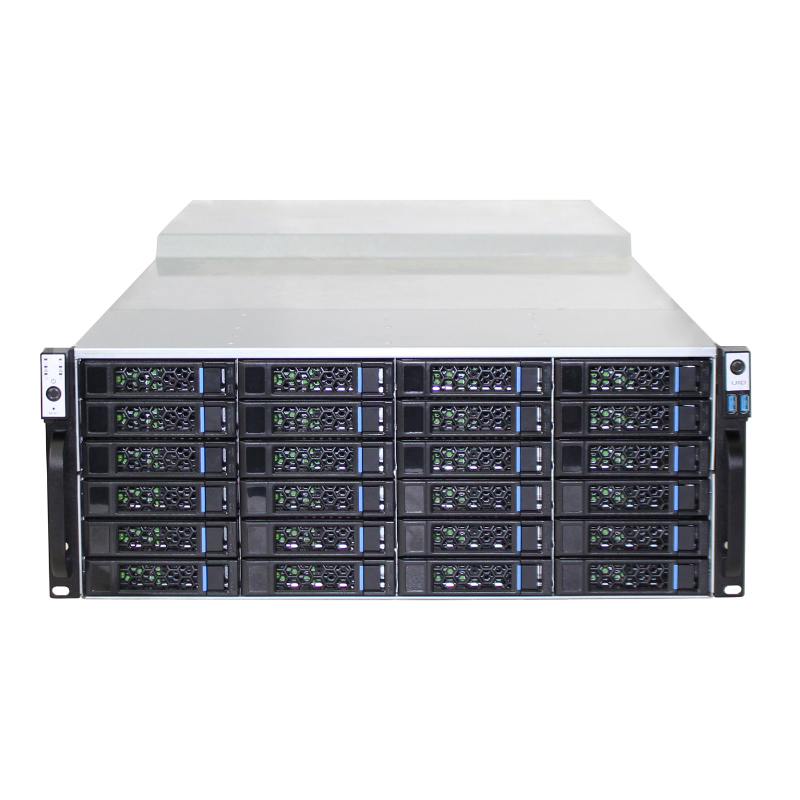
4U | 650×436×177 | SECC/Aleación/Plástico, 1,0 mm | 24×3,5″/2,5″ (expansor) | Placa base expansora de 12 Gb/s | Redundante/ATX | 3×120 mm intercambiables en caliente | 7 PCIe de altura completa | Sí |
|
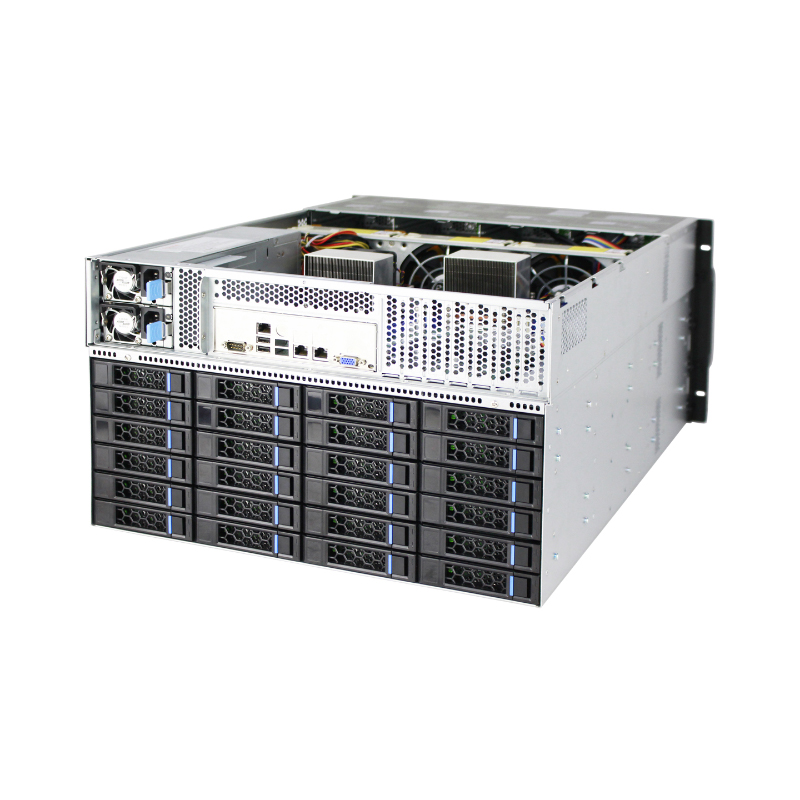
4U | 850×437.5×176.5 | SGCC, 1,0 mm | 24×2.5″ | Directo/SFF8643 | CRPS | Rodamiento de bolas de 6×120 mm | 16 PCIe de altura completa | Sí |
|
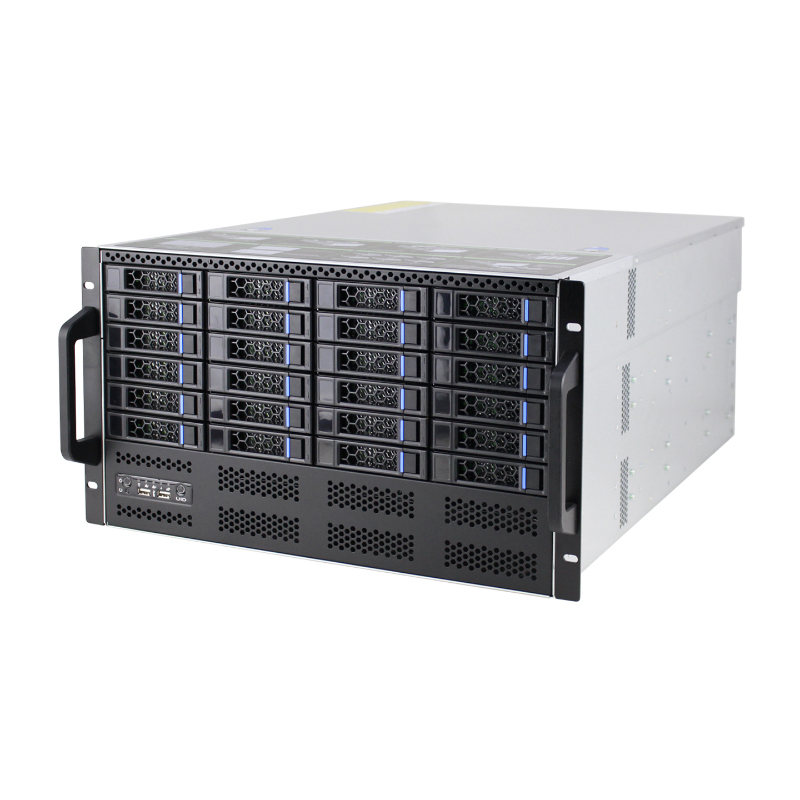
6U | 650×437.5×265 | SGCC, 1,0 mm | 60×3.5″ + 2×2.5″ | Placa base expansora | CRPS | 6×120 mm intercambiables en caliente | 7 PCIe de media altura | Sí |
|
6U | 650×437.5×265 | SGCC, 1,0 mm | 48×3.5″ + 2×2.5″ | Placa base expansora | ATX/Redundante | 6×120 mm intercambiables en caliente | 7 PCIe de media altura | Sí |