Flexible Busbars: Innovative Solutions and Design Guidelines

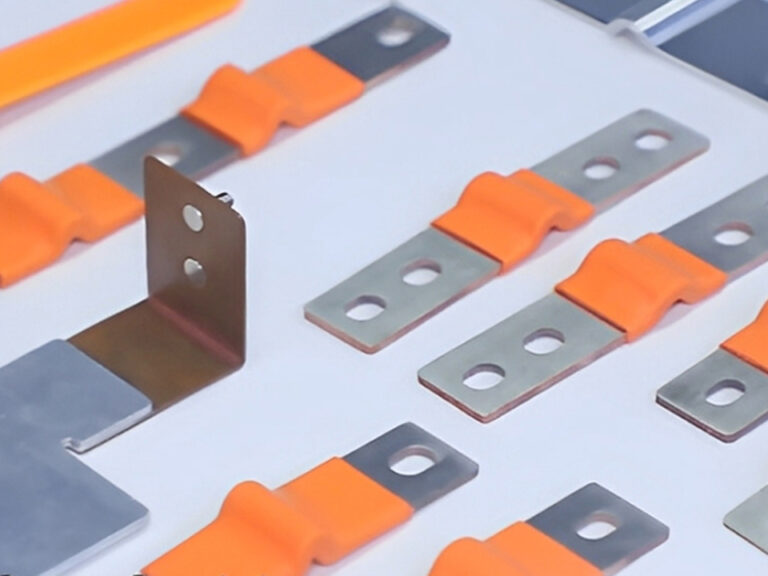
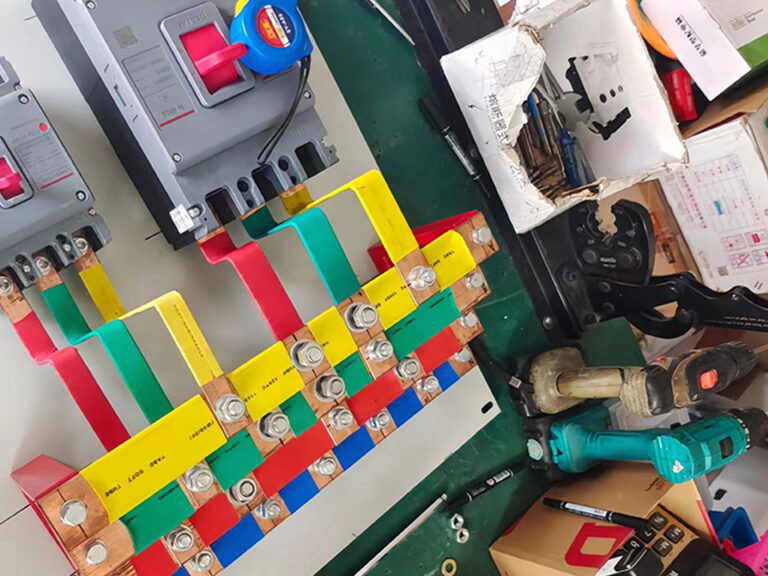
Flexible busbar is transforming high-current power transmission with higher load capacity, fewer joints, and faster installation. This guide explores its design principles, technical advantages, and applications in new energy, smart grids, data centers, and industrial power systems.
What is Flexible Busbars:the Complete Design Guide

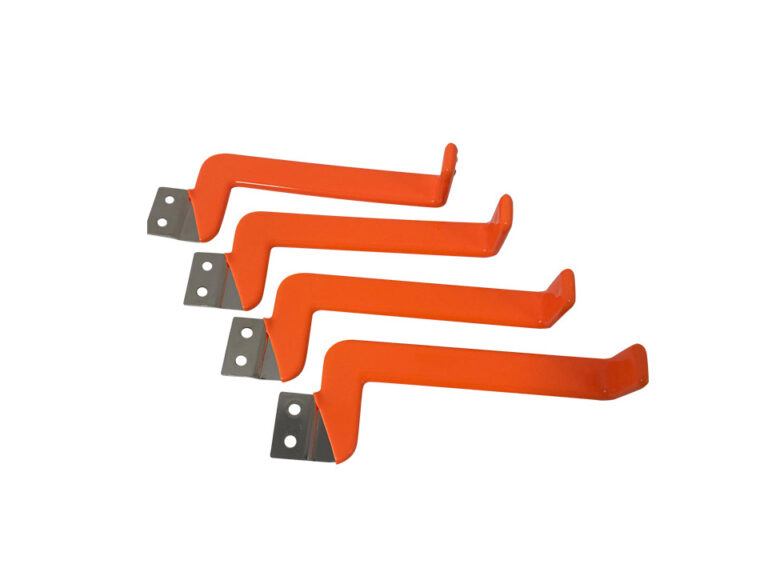
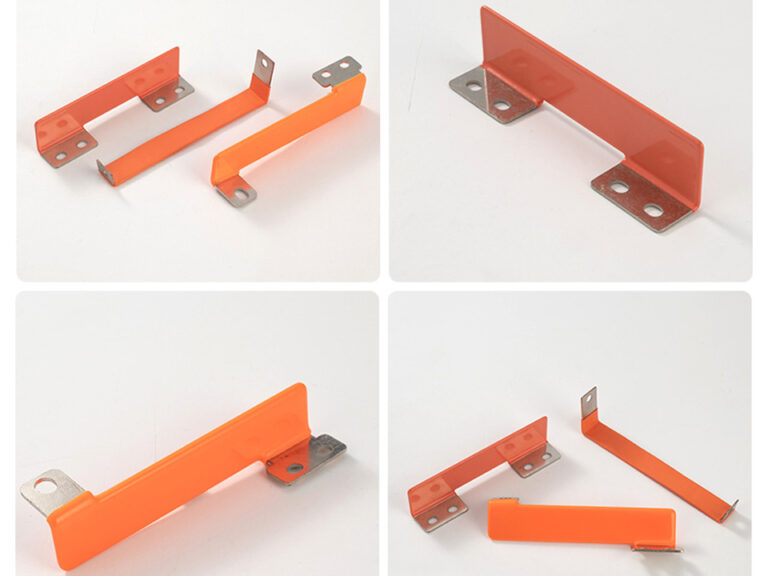
Flexible busbars offer high-current capacity, compact installation, strong protection, and smart monitoring for modern power distribution systems. This guide explains their structure, material advantages, manufacturing process, application scenarios, and future market trends.
What is the Difference Between Flexible and Rigid Busbars?

This post compares flexible busbar and rigid busbar across structure, materials, electrical performance, safety, installation, cost, and applications. It helps engineers choose the right busbar solution for dynamic new energy systems or stable heavy-duty infrastructure.
5 Benefits of Flexible Busbars

Flexible busbar technology is transforming high-current power distribution with higher current capacity, lower line loss, faster installation, and improved space efficiency. This post explores its core advantages, lifecycle cost benefits, safety features, industry applications, and future development trends.
What Are the Different Types of Copper Busbars?

Copper busbar systems are essential conductive components in modern power distribution, offering multiple types such as solid, flexible, and insulated designs. This guide explains their standards, customization factors, and industrial applications for high-reliability energy systems.