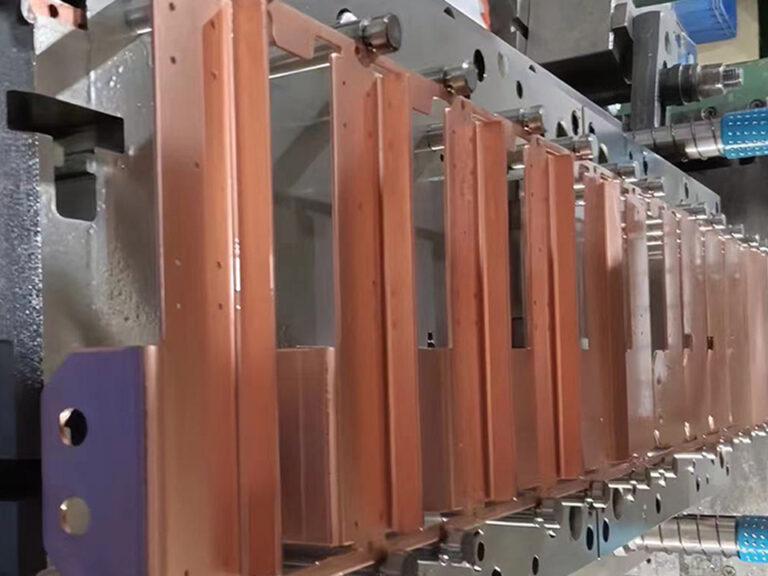
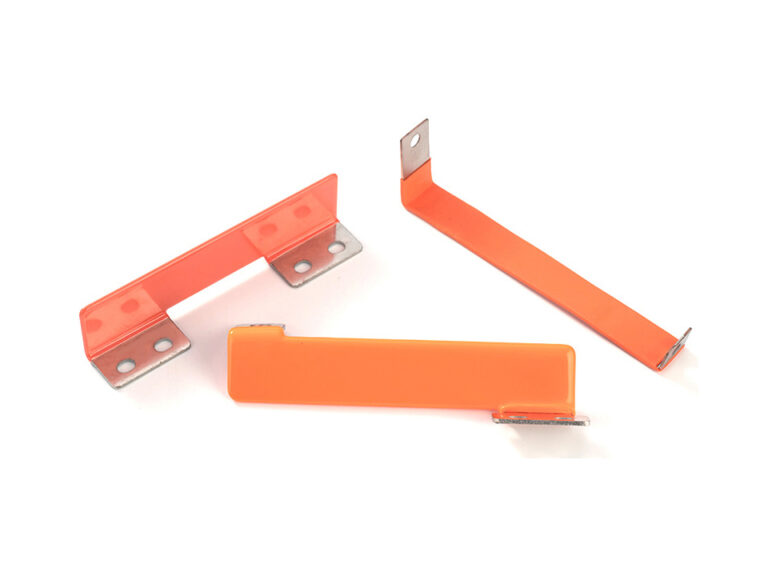
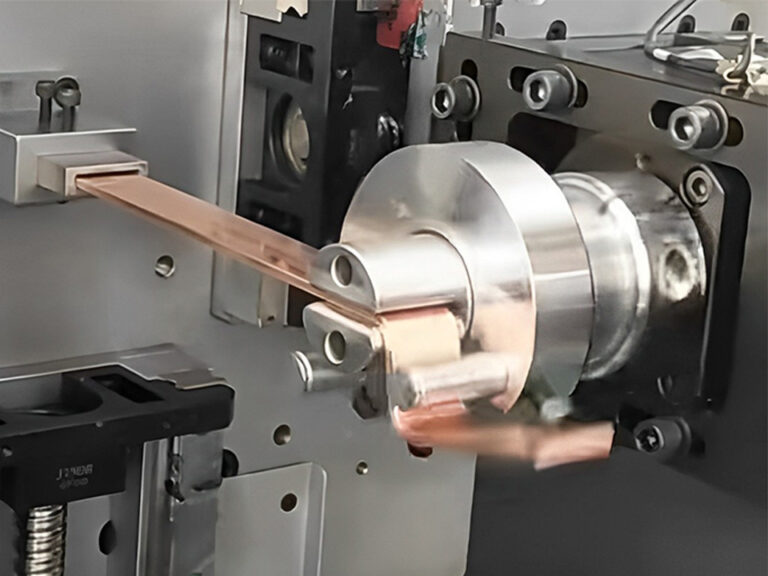
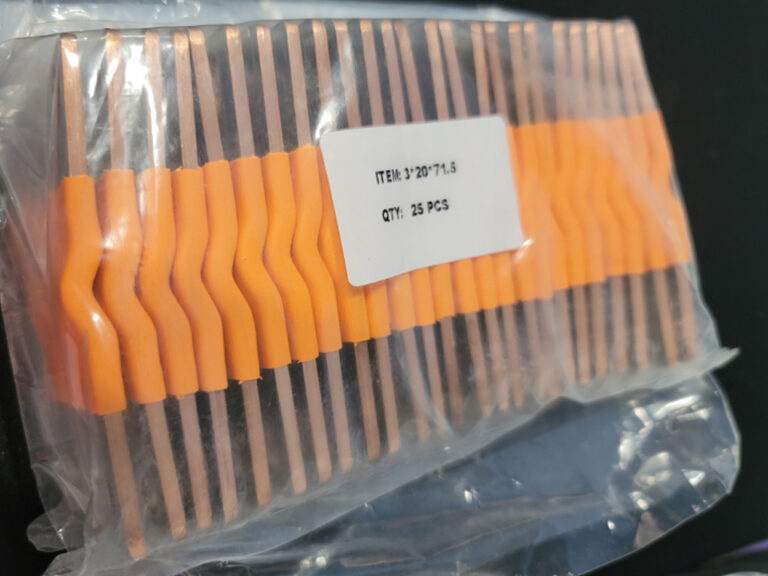
Explore Copper & Aluminum Busbar Solutions for EV, battery, switchgear, and energy systems with custom fabrication and insulation.
Custom Solutions
Technical Support
Copper Busbars: The Future of Electrical Conductivity in 2025

Copper busbar manufacturing is shifting toward intelligent, high-precision, and low-carbon production under the global carbon neutrality trend. This article explores material upgrades, high-frequency brazing, AI quality control, green manufacturing, and future market opportunities.
How to Choose the Right Copper Bus Bar Type?

Copper busbars are essential components for efficient current transmission in electric vehicles, energy storage systems, and power distribution networks. This guide explains their types, material properties, manufacturing process, safety testing, and cost optimization strategies.
Step-by-Step Guide to Copper Busbar Manufacturing Processes

Copper busbar manufacturing involves raw material selection, melting, machining, annealing, surface treatment, inspection, and intelligent production. This article explains how modern technologies improve conductivity, efficiency, durability, and sustainability.
Copper Busbar Coating: Everything You Need to Know

Copper busbar surface treatment plays a critical role in improving equipment life, safety, and operating efficiency. This post compares 8 key treatment technologies, including plating, passivation, and insulation coatings, to help manufacturers balance performance and cost.
A Guide to Choosing Solid Copper Busbars for Your Project

This article explains the core processing technologies of solid copper busbars, including cutting, cold working, thermal processing, surface treatment, and quality inspection. It also compares material performance, market trends, and process optimization methods to support industrial selection and manufacturing decisions.
How Do i Connect Aluminum Conductors to Copper Bus Bars?

Aluminum-copper connections are widely used in power systems, EVs, photovoltaic equipment, and industrial applications, but they face risks such as galvanic corrosion, oxide film resistance, thermal stress, and creep failure. This article explains five major challenges and a six-step process for creating safe, reliable, and long-lasting cross-metal connections.
8 Steps To Make A Copper Busbar
Learn how copper busbar manufacturing combines material selection, melting, extrusion, machining, bending, connection, insulation, and inspection. This guide explains the key process controls that improve conductivity, mechanical strength, and long-term power system reliability.
4 Steps to Bend Copper Bus Bars

Copper busbar bending directly affects electrical conductivity, equipment safety, and long-term reliability. This post explains key process controls, including material pretreatment, bending force calculation, mold selection, CNC equipment use, and defect inspection.
What Are Custom Copper Busbars and Their Advantages?

Copper busbars play a critical role in modern power transmission, offering superior conductivity, strength, and corrosion resistance. This post explores supplier capabilities, customization trends, new energy demand, and quality control strategies shaping the copper busbar industry.
What is the Resistance of a Copper Bus Bar and How to Calculate It

This article explains how copper busbar resistance is calculated and what factors influence it, including material purity, dimensions, temperature, and contact resistance. It also compares conductor materials and shares practical optimization strategies for improving energy efficiency in power systems.
How to Clean Copper Busbars: A Step-by-Step Guide

Learn 10 scientific copper busbar cleaning methods, including physical, chemical, and advanced technologies. This guide helps improve conductivity, extend equipment life, and reduce maintenance costs.
Copper vs Aluminum bus bar: Making the Right Choice for Optimal Performance

Copper clad aluminum busbar offers a cost-effective alternative to pure copper busbar under rising copper prices and carbon-neutrality demands. This post compares conductivity, cost, weight, reliability, and application scenarios using key industry data.