“The supplier gave us a true one-stop parts solution. Their team matched the right Caterpillar, Perkins, and filter parts for our equipment, and the support stayed fast and professional from inquiry to delivery.”
Winter Excavator Maintenance: Ensure Smooth Operation in Cold Weather
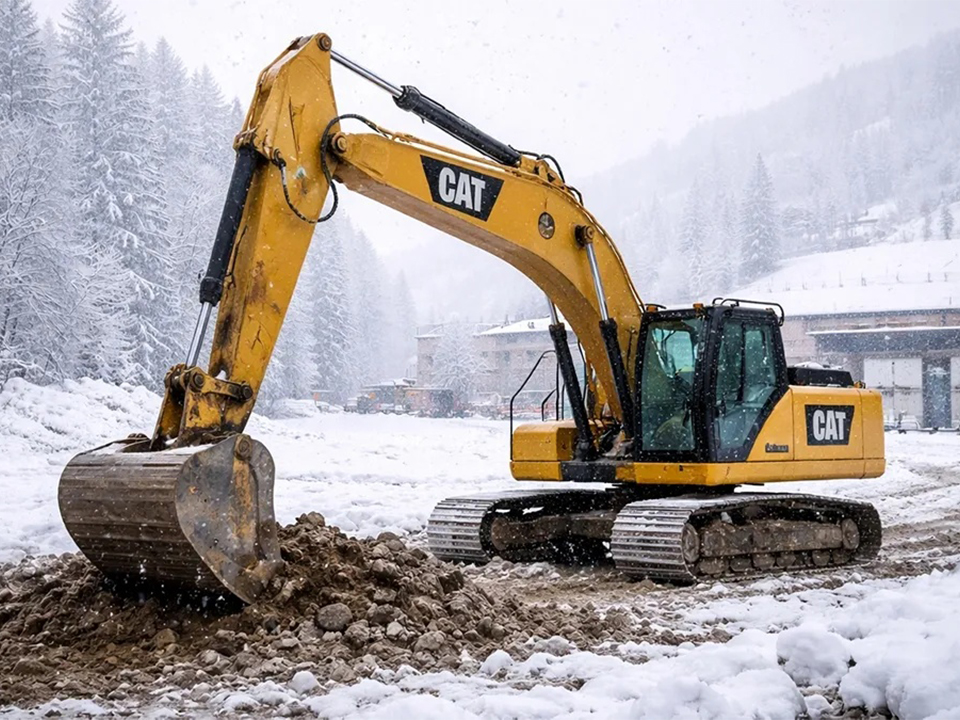
I’ve been in yards where a machine that looked respectable on Friday suddenly sounded like a junker by Monday morning, and I frankly believe winter doesn’t “damage” most excavators nearly as often as it exposes all the soft, half-ignored, pencil-whipped maintenance sins that were already sitting there—weak batteries, sloppy belts, coolant nobody tested, and an air side that’s been choking for weeks. Then it snows. That’s when the lies stop.
But the risk isn’t only mechanical. In the 2023 BLS fatal injury table, “Struck by running powered equipment—during maintenance, cleaning, testing” accounted for 48 deaths, and OSHA’s winter-weather page says the season brings slippery roads and surfaces, strong winds, and environmental cold that employers are expected to control, not shrug off. That’s why I don’t treat winter excavator maintenance like an operator comfort issue. It’s an exposure issue.
جدول المحتويات
Winter doesn’t break good iron
Yet that line gets repeated on jobsites every year: “The cold killed it.” No. Usually not.
From my experience, cold weather excavator maintenance fails when crews confuse survival with readiness, because a machine can limp through shoulder season with a lazy stat, tired cables, a sweating rocker cover, and a half-plugged intake, but once the temperature drops and the oil turns thick and the cab glass starts frosting, that same machine suddenly feels like it aged five years overnight. That’s not bad luck. That’s deferred work cashing out.
And I’ll say the quiet part out loud: too many PM sheets in this business are written for the office wall, not the iron. Grease got hit, maybe. Fluid was “looked at.” Someone signed it. Meanwhile the operator is out there feathering the joysticks, listening to a belt chirp at 1,200 rpm, hoping the hydraulic oil quits feeling like molasses before the first truck cycle backs up.
The cold-start myth is still everywhere
“Just let it idle.”
That’s the advice. And sometimes—sure—it buys time. But here’s the ugly truth: long idle is often a cover story for bad prep, because real excavator cold start maintenance starts before the key is even turned, with winter fuel sorted, battery condition confirmed, terminals cleaned, coolant protection verified, and the machine given a proper warm-up instead of a panic start followed by instant load.
The chemistry backs that up whether people like it or not. The Department of Energy notes that in extreme cold weather the power capability of batteries decreases because the ionic and chemical processes inside them happen more slowly at lower temperatures, which is exactly why a machine that “always starts” in mild weather suddenly cranks like it’s underwater after a hard freeze. Physics wins. Every time.
And no, I don’t buy the macho version of this story either—the one where rough starts are treated like proof the machine is “still a beast.” That’s nonsense. A healthy unit shouldn’t need heroics at dawn.
Boring parts ruin whole weeks
Ask any decent field mechanic what actually blows up a winter schedule and you’ll hear the same stuff over and over again—air restriction, unstable operating temp, low cranking power, belt slip, sticky hydraulics, little gasket leaks that become big grime farms once everything cycles hot-cold-hot-cold for a month. Not glamorous. Very expensive.
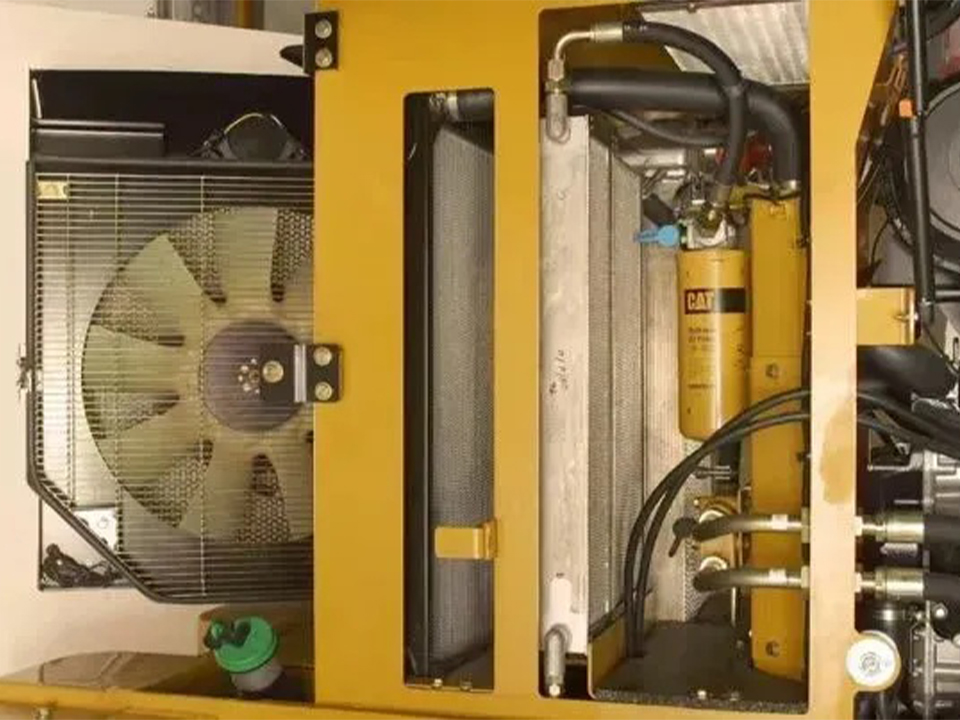
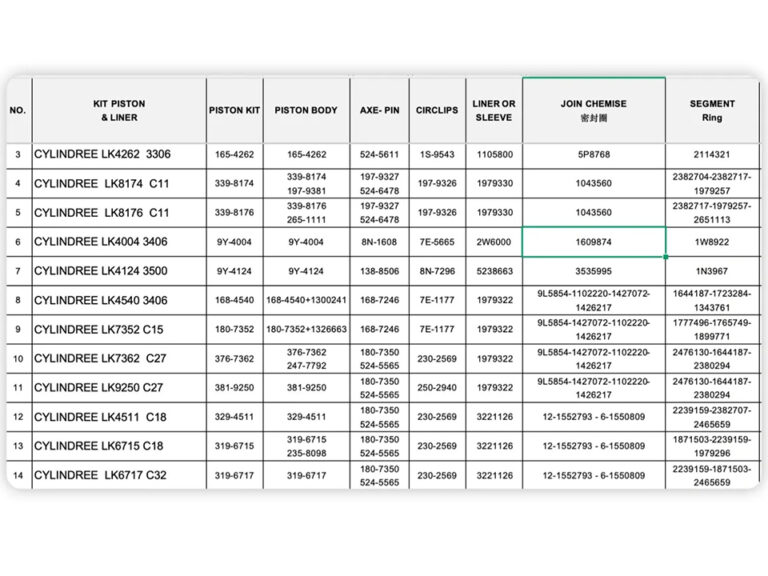
So if warm-up is dragging or temperature swings look goofy on a Perkins setup, I’d look at the Perkins SE573/1 thermostat for 4016 engines before I waste another shift pretending the problem will “clear itself.” If the engine is sooting up on start and breathing through a dirty intake, I’d stop romanticizing dust and inspect the 1104D-series diesel engine air filter. These aren’t headline failures. They’re uptime killers.
And belts—man, people love ignoring belts. A tired 4016 diesel engine fan belt can turn cooling into guesswork when the machine is trying to stabilize after cold soak, while an old 4016 rocker cover gasket that was merely “sweating a little” in October can become a grime-and-oil mess once winter hardens everything up. Then the bay fills with finger-pointing.
What I’d actually check before the first freeze
Not a brochure checklist. A real one.
I want batteries load-tested, posts and grounds cleaned, coolant checked with an actual tester instead of a flashlight guess, hoses squeezed, belts inspected, fuel quality confirmed, water drained, air filters checked, defrost verified, heater output tested, work lights working, and every annoying little seep point put under suspicion before the machine ever crawls into a frozen cut where downtime gets ten times more expensive. That’s not overthinking it. That’s how adults run iron.
But I also fold operator behavior into winter excavator maintenance, because the warm-up routine matters more than a lot of office people want to admit. Hammering functions the second the engine catches, bumping throttle early, trying to “wake up” the hydraulics with aggression—that’s how you turn a cold morning into a repair order. Slow hands. Then production.
System
What cold weather does
What I inspect first
What action I take
Battery and starting circuit
Reduces available cranking power and exposes weak connections
Stiffness and slip become more obvious at low temperatures
Belt wear, tension, pulley alignment
Retension or replace worn belts before freeze season
Hydraulic system
Thick oil delays smooth response and magnifies internal wear
Fluid grade, warm-up time, hose condition, seep points
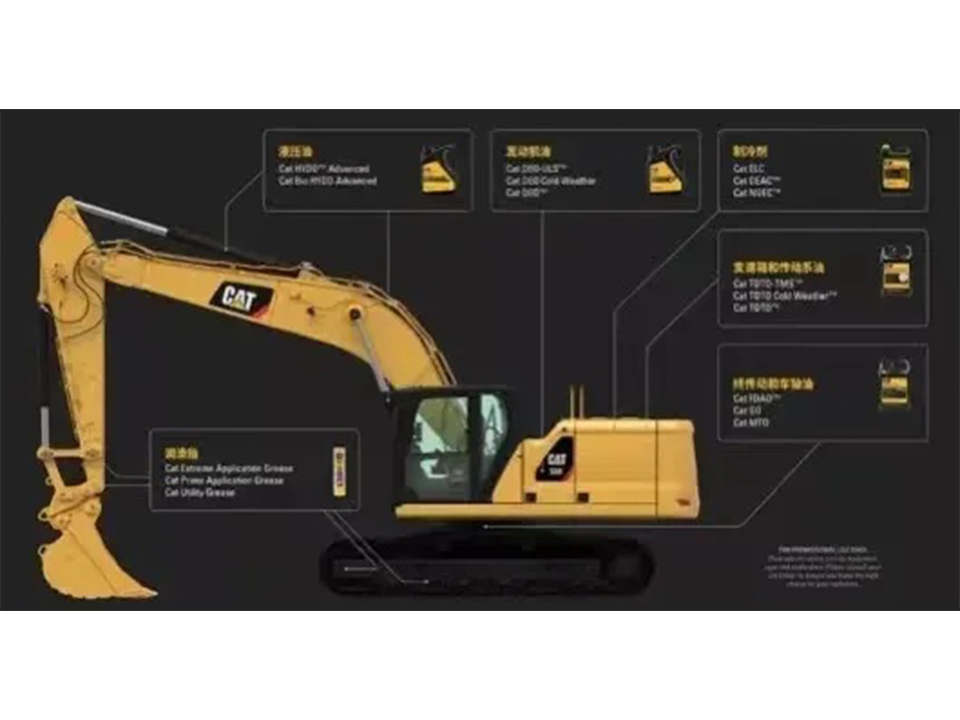
Use correct seasonal fluid, warm progressively, repair leaks early
Cab and visibility
Fogging, ice, and poor defrosting slow safe operation
Heater output, defroster function, wipers, lights
Fix heat and visibility issues before field deployment
2024 made the compliance math uglier
Here’s where people get religion fast.
OSHA announced that maximum penalties for serious and other-than-serious violations increased to $16,131 per violation in 2024, while willful or repeated violations rose to $161,323 per violation; then Reuters reported that on July 2, 2024, the U.S. Supreme Court declined to hear a challenge to OSHA’s authority, leaving that regulatory muscle very much alive. So if someone in your shop is still betting on sloppiness plus luck, that’s not strategy—that’s delusion.
And this is the part I think the industry still underestimates: winter neglect doesn’t stay in the maintenance column. It spills into scheduling, safety, site supervision, incident reporting, rental substitutions, tow bills, angry calls, and those grim little postmortems where everybody suddenly remembers they “noticed something odd” three weeks ago. Convenient. Useless.
Smooth operation is boring by design
A properly prepped excavator should start without a fistfight, build temperature without drama, clear the cab glass, take hydraulic input without that gummy dead-feeling in the controls, and finish the shift without adding another leak, squeal, or no-start note to the board. That’s the bar. Not “it went eventually.”
I frankly believe the business praises the wrong people sometimes. The operator who muscles a cranky machine through frozen clay gets called tough, while the crew that prevented the problem gets ignored because prevention is quiet and boring and doesn’t make a story. But boring is the goal. Boring machines make money.
So, yes—how to winterize an excavator comes down to unsexy discipline: battery health, coolant chemistry, clean intake, sound belts, dry gaskets, correct warm-up, sane operator inputs, and a refusal to confuse luck with readiness. That’s it. That’s the whole racket.
الأسئلة الشائعة
What is winter excavator maintenance?
Winter excavator maintenance is the pre-season and in-season work required to keep an excavator starting, warming, moving, and operating safely in freezing conditions, with special attention to batteries, coolant, fuel quality, air filtration, hydraulic behavior, cab visibility, and leak-prone components that get worse when temperatures drop. In plain terms, it’s the difference between a machine that’s ready at first light and one that turns the morning toolbox talk into a troubleshooting session.
How do you winterize an excavator?
Winterizing an excavator is the process of adapting its starting, cooling, fuel, air intake, hydraulic, and cab systems for low-temperature operation so it can start reliably, build heat correctly, maintain visibility, and avoid cold-related failures once the weather strips away its normal operating cushion. I’d begin with a battery load test, coolant concentration check, winter fuel planning, thermostat inspection, filter condition review, belt and hose checks, and verification that the heater and defroster actually do their jobs. Don’t wait for the first hard crank.
What should be on an excavator winterization checklist?
An excavator winterization checklist is a pre-freeze inspection standard covering the starting circuit, coolant protection, fuel quality, air filtration, thermostat behavior, belts, hoses, hydraulic warm-up, work lights, cab heat, defrost performance, and visible leak points that could turn into downtime once temperatures fall. I’d also include operator warm-up behavior, because bad habits can undo good shop work in a single shift. People hate hearing that. It’s still true.
Is idling enough to protect an excavator in cold weather?
No, idling alone is not winter excavator maintenance; it is only one small part of a proper cold-weather routine and it cannot compensate for weak batteries, untreated fuel, lazy thermostats, dirty filters, belt issues, or leak-prone gaskets that the cold will expose under load. From my experience, over-idling mostly hides the real problem for a day or two, while fuel burn, soot, and lost time quietly pile up in the background.
What is the biggest mistake in cold weather excavator maintenance?
The biggest mistake in cold weather excavator maintenance is assuming a machine that felt “good enough” in mild weather will remain good enough after freezing temperatures reduce cranking power, slow fluid response, harden rubber, and expose every marginal component that was already drifting toward failure. My second-place answer is just as bad: waiting until the first no-start to order parts. By then, the bill has already started.
If you want smooth winter operation, do the dull work now—not after the machine embarrasses you in the dark. Check the weak links, replace the suspect parts, tighten up the start-up routine, and treat excavator maintenance like what it really is: uptime insurance with grease under its fingernails.