“The supplier gave us a true one-stop parts solution. Their team matched the right Caterpillar, Perkins, and filter parts for our equipment, and the support stayed fast and professional from inquiry to delivery.”
Final Drive Oil Leaks: Causes, Diagnosis and Fix Introduction
I’ve watched a mechanic hose down a sprocket case, squint at the mess, mutter “seal’s gone,” slap in fresh rubber, and send the machine back to work—only for that same final drive to come back hot, howling, and drooling oil again because the real problem was bearing slop, blocked venting, trash in the oil, or a shaft surface that looked like it had been chewed by a ratchet strap.
Same movie. Different shop.
And I frankly believe that’s why so many owners get burned on final drive oil leaks: they’re sold the bedtime story, not the teardown truth.
Table of Contents
Most final drive oil leaks are not “just a seal”
But here’s the ugly truth—when a housing goes wet, the seal usually isn’t the mastermind. It’s the snitch. The 2023 excavator paper on final-drive failures flat-out linked oil leaks to guard wear that lets dirt and soil get in, rub directly against the assembly, and press on the floating seal, and it also noted that new hydraulic, transmission, and final-drive oil should be at 16/13 cleanliness or cleaner. That matters. A lot. According to this 2023 study on final drive failure and maintenance at ijasce.org, contamination isn’t background noise—it’s the hitman.
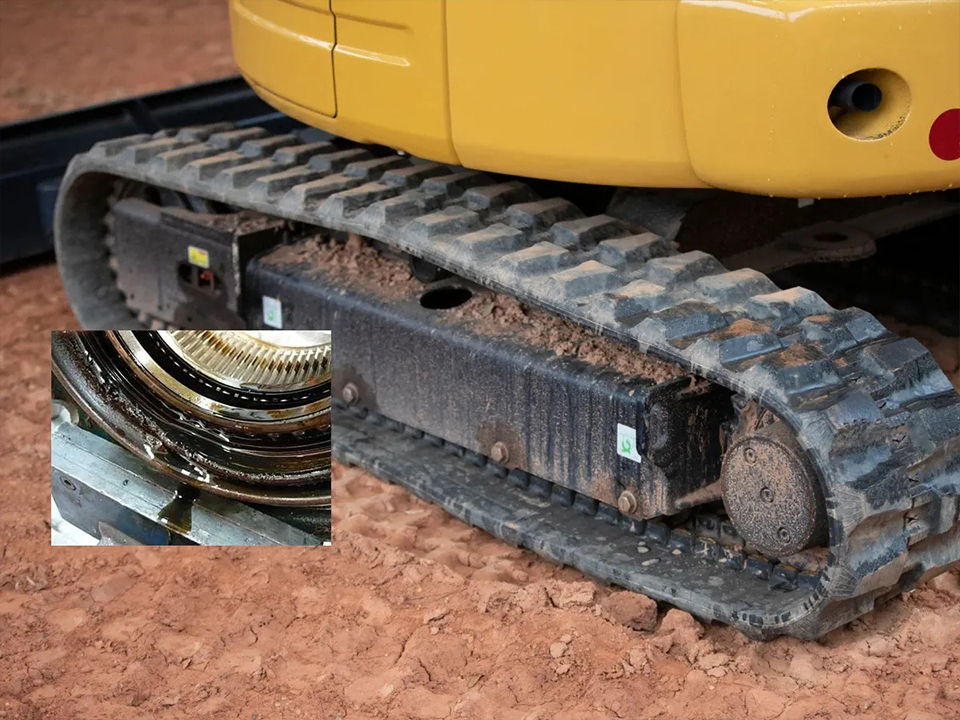
I’ve seen this in the field more times than I can count. A machine comes in with a greasy ring around the duo-cone area, everyone wants the fast answer, and nobody wants to hear that the guard’s worn thin, the oil is peppered with fines, and the whole case needs a proper look before anybody starts throwing parts at it.
Not magic. Not bad luck. Usually it’s one ugly stack of boring mechanical problems: worn floating seals, lip seal hardening, scored shafts, axle runout, a clogged breather building case pressure, overfill, wrong oil viscosity, or bearing wear that lets the whole rotating group wobble just enough to turn a decent seal into a temporary joke. That Ford recall on 2023–2024 Transit vehicles is a good reminder that lubrication faults don’t stay “minor” for long; Ford said insufficient rear axle lubricant could lead to overheating, bearing seizure, rear wheel lock-up, and even driveshaft separation. That’s not seepage. That’s escalation. The Ford 24S05 bulletin at static.nhtsa.gov says dealers may need to add up to about one quart of gear fluid and clean the plug magnet during the service procedure.
I know some people hate when I say this, but “final drive seal leak” is often lazy shop language. From my experience, once you’ve got noise, heat, metallic paste on the magnet, or visible slop at the shaft, you are not having a seal conversation anymore. You’re having a failure-chain conversation.
Big difference.
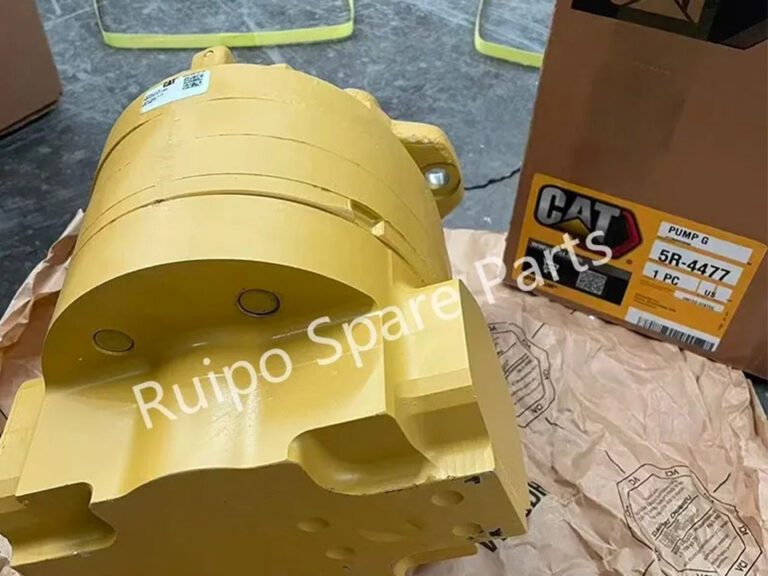
And yes, the same discipline matters when you’re dealing with bigger iron and hydraulic systems. I’d apply the same suspicion and inspection sequence I’d use around a CAT 5R4477 hydraulic pump for Caterpillar 834B/836 wheel dozer: surface condition, alignment, contamination, heat history, and whether somebody before you already “fixed” it with optimism and RTV.
Final drive leak diagnosis: how I’d actually do it
Clean first. Always.
Not because it looks professional—because dirty housings lie, capillary trails lie, and old sludge can fake out even decent techs. I start by washing the case, checking oil level, cracking the breather path loose, and draining enough oil to inspect color, odor, water haze, and debris before I price a seal kit. If the magnet comes out fuzzy, or the oil smells cooked, or the case has that baked-metal stink, I slow the whole job down.
That’s where the money is saved.
Ford’s bulletin is boring in exactly the right way: verify the fluid issue, add gear fluid, clean the plug magnet, and recognize that some units still need future repair. I respect boring service procedures because they’re usually written in the shadow of expensive mistakes.
Then I ask the question too many shops skip: what changed right before the leak showed up? New impact damage? A trash seal install? Long idle storage? Water crossing? Someone overfilled the case? An operator ignored chatter until it became a whine? That timeline matters more than people think. It tells you whether you’re chasing root cause—or just chasing oil.
I also don’t separate leak diagnosis from routine service culture. If a fleet manager will spec a Perkins SE429 fuel filter for 4016 diesel engine service correctly but wants to cheap out on oil sampling, vent checks, and teardown inspection when a final drive starts sweating, that’s not a maintenance strategy. That’s gambling with better vocabulary.
Reseal or rebuild? That’s the question shops dodge
Here’s my bias: reseal only when the leak path is obvious, the shaft surface is still decent, the bearings feel tight, the oil isn’t glittery, and the leak was caught early. That’s the narrow window where a seal job is a repair instead of theater.
Otherwise? Rebuild it.
Because a fresh seal riding on a grooved shaft with bearing play is shop fiction. It might hold for a week. Maybe a month. Usually just long enough for the invoice to clear and the callback to become somebody else’s problem.
And don’t overlook disposal. That drained oil from a final drive isn’t just dirty shop waste. EPA’s used-oil guidance at epa.gov defines used oil as petroleum-based or synthetic oil contaminated through use, and says the Part 279 management standards apply until it’s properly disposed of or sent for disposal. So yes—gear oil on the ground is a maintenance issue, but it’s also an environmental handling issue once you drain it out and move it around the shop.
That part gets ignored. Constantly.
The decision table I use before I green-light a repair
Symptom pattern
Likely root cause
What I check first
Typical fix
Risk if ignored
Light wetness at seal area, no noise, no heat
Early seal wear or minor venting issue
Vent path, fill level, surface cleanliness
Reseal and correct vent/fill issue
Low at first, then rising
Leak plus dirt-packed housing
Guard wear or contamination pressing on floating seal
Guard condition, seal faces, oil cleanliness
Clean, reseal, restore guarding
Moderate
Leak plus vibration or abnormal noise
Bearing wear, runout, axle hardware distress
Play, metal on magnet, oil condition
Rebuild or deeper axle repair
High
Recurrent leak after recent repair
Poor assembly, damaged shaft surface, wrong parts
Shaft finish, sleeve condition, install method
Rework with correct parts and surface prep
High
Leak plus burnt smell or hot case
Low lubricant, friction, internal overheating
Level, debris, discoloration, heat marks
Tear down and inspect internals
Very high
FAQs
What causes a final drive oil leak?
A final drive oil leak is the escape of lubricant from the final-drive housing because the sealing system, shaft surface, venting, oil condition, or internal rotating parts have degraded enough that oil can no longer stay contained under normal heat, load, and motion. In shop terms, I’d bet first on contamination, pressure build-up, worn seal faces, or bearing play—not random bad luck. According to the 2023 final-drive study at ijasce.org, dirt ingress and floating-seal wear are a documented leak path.
Can I keep running with a small final drive gear oil leak?
A small final drive gear oil leak is a low-volume but active loss of lubricant from the drive case that may look minor on the outside while still indicating contamination, reduced oil reserve, heat build-up, or developing internal wear inside the assembly. I wouldn’t shrug it off. Small leaks have a nasty habit of tagging along with bigger problems—heat, noise, metal, and then a very expensive phone call. The Ford recall bulletin at static.nhtsa.gov tied inadequate axle lubricant to bearing seizure and rear wheel lock-up risk.
How do you fix a final drive seal leak the right way?
Fixing a final drive seal leak the right way means confirming the exact leak path, checking shaft finish, venting, bearing condition, and oil cleanliness, then replacing seals only if the surrounding hardware is still serviceable and rebuilding the assembly when heat, runout, or debris show that internal damage is already underway. That’s the difference between repair and cosplay. If the plug magnet is furry and the case is hot, don’t kid yourself with a seal-only job.
What should I do with drained final drive oil?
Drained final drive oil becomes used oil once service contamination, metal particles, water, or chemical impurities are present, and it should be stored, handled, and sent for recycling or disposal in line with the applicable used-oil rules rather than dumped, mixed casually, or left to leak from bad containers. Label it. Isolate it. Keep it off the floor. EPA’s used-oil guidance at epa.gov is pretty plain on that point.
If your final drive is weeping, don’t buy the comforting diagnosis first. Buy the ugly one. Clean the case, inspect the vent, read the magnet, look for wobble, and decide whether you’ve got an early-stage reseal—or a dying box that’s already telling on itself.