“The supplier gave us a true one-stop parts solution. Their team matched the right Caterpillar, Perkins, and filter parts for our equipment, and the support stayed fast and professional from inquiry to delivery.”
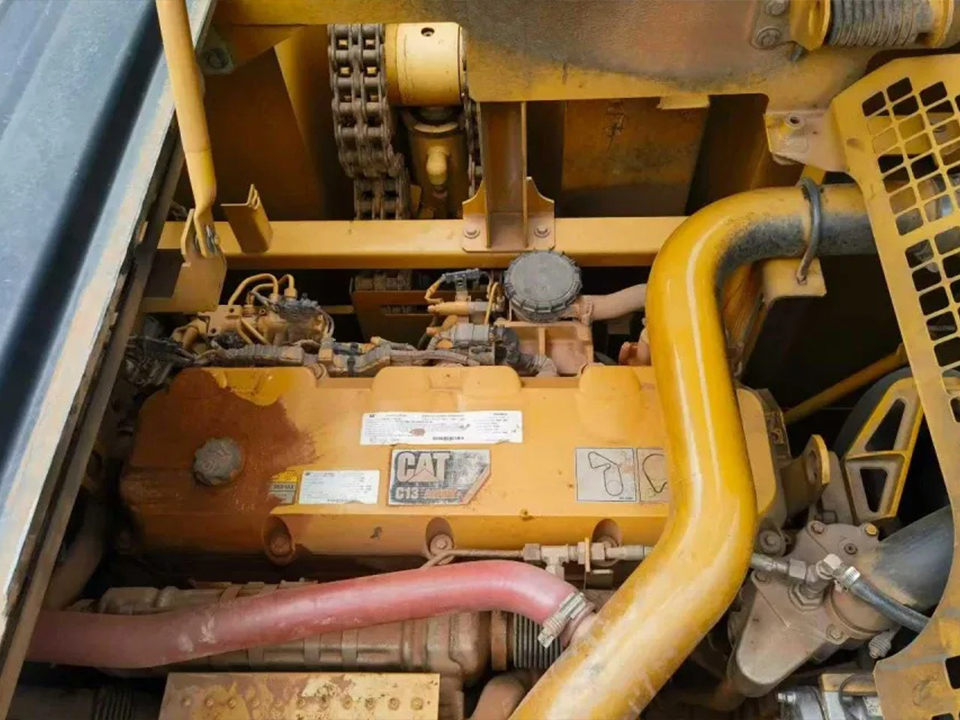
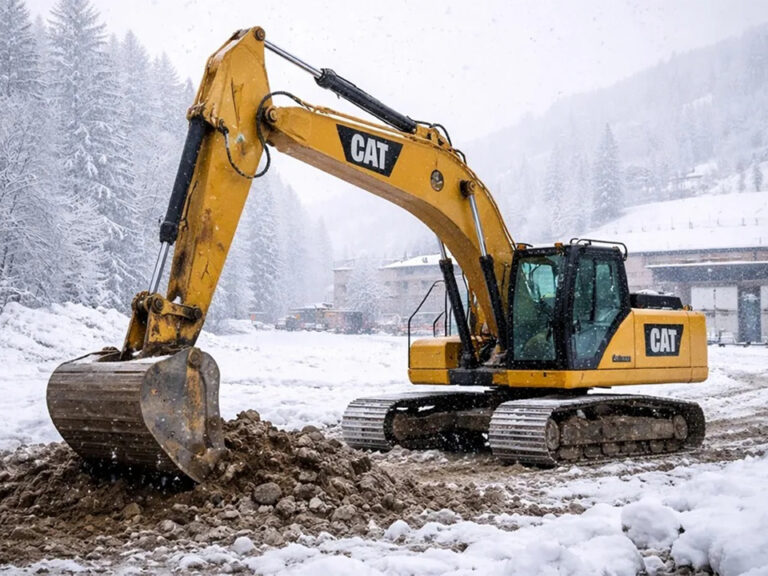
Bad diagnosis spreads. The Caterpillar 349E sits on a Cat C13 ACERT platform, and Cat’s own material ties that machine to load-managed fuel behavior, ULSD/B20 fuel compatibility, and a powertrain built to stay productive under heavy duty cycles, which is exactly why a weak injector signal or a failing harness branch never stays a “small miss” for very long. Want the blunt version?
I’ve watched too many shops treat a rough-running 349E like a coin toss: injector or harness, pick one, invoice later. That is lazy work. On this engine family, the fuel side and the signal side are married, and Cat’s own reman C13 listing for compatible 349E machines explicitly identifies the platform as MEUI, which is why the electronic unit injector Cat 349E conversation is never just about metal; it is about command integrity.
And yes, a Cat 349E repair manual matters. But manuals do not stop contamination, fake torque confidence, bad pin drag, or the all-too-common habit of condemning six expensive parts because one connector lied for 200 milliseconds.
Table of Contents
This repair gets butchered because the industry still loves parts roulette
Here is the hard truth: a lot of “C13 engine injector replacement” jobs are really diagnosis failures with new hardware bolted on top. The operator reports low power, black smoke, rough idle, or high fuel burn, the tech pulls codes, sees cylinder contribution drift, and suddenly the machine is wearing injectors it never needed. I do not trust that sequence, and neither should you.
Cat was still riding a $28.1 billion construction-equipment backlog in February 2024, according to Reuters, which means the economic pressure to repair rather than replace was very real; when fleet owners keep iron longer, bad diagnosis gets more expensive because every false start adds lost hours, rental substitutions, and credibility damage.
That is why I care about adjacent parts discipline, too. If you are evaluating component quality, the logic is the same whether you are buying a 349E injector set or reviewing a Perkins common rail fuel injector for the 1506A-E88TAG3 engine: specification control beats cheap catalog confidence every time.
Injector fault or harness fault? This is where the money disappears
Three words first: test voltage integrity.
Then go wider. On a suspected Caterpillar C13 fuel injector harness problem, I want the complaint duplicated hot and under load, I want connector inspection under magnification, I want continuity and pin-fit judgment that is actually meaningful, and I want to know whether the miss follows the injector, stays with the cylinder, or appears only when the harness is disturbed. Why start with swapping parts when the signal path can betray you in plain sight?
OSHA’s electrical guidance is not written for diesel romantics; it says electrical hazards expose workers to shock, electrocution, fires, and explosions, and it specifically points to hazards around cable harnesses and circuit assemblies. Its lockout/tagout guidance is even less forgiving: hazardous energy during servicing and maintenance must be isolated, controlled, and trained for. That matters on a 349E because a hurried 349E injector wiring harness replacement can turn a diagnostic job into a safety event before the first valve cover fastener is back in place.
I also think people underestimate how often control-side logic mimics mechanical failure. That is why I keep bringing buyers back to electronics literacy; the mindset you need for harness diagnosis is closer to sourcing an engine control module for the Perkins 2806A-E18TAG platform than it is to throwing fuel parts at a smoke complaint.
The replacement sequence I actually trust on a 349E
A clean repair starts before the first wrench moves. I isolate energy, confirm the complaint, document cylinder behavior, inspect the injector connector bodies and harness routing, and only then open the engine. But if you skip the evidence phase, how will you know whether the new part fixed anything?
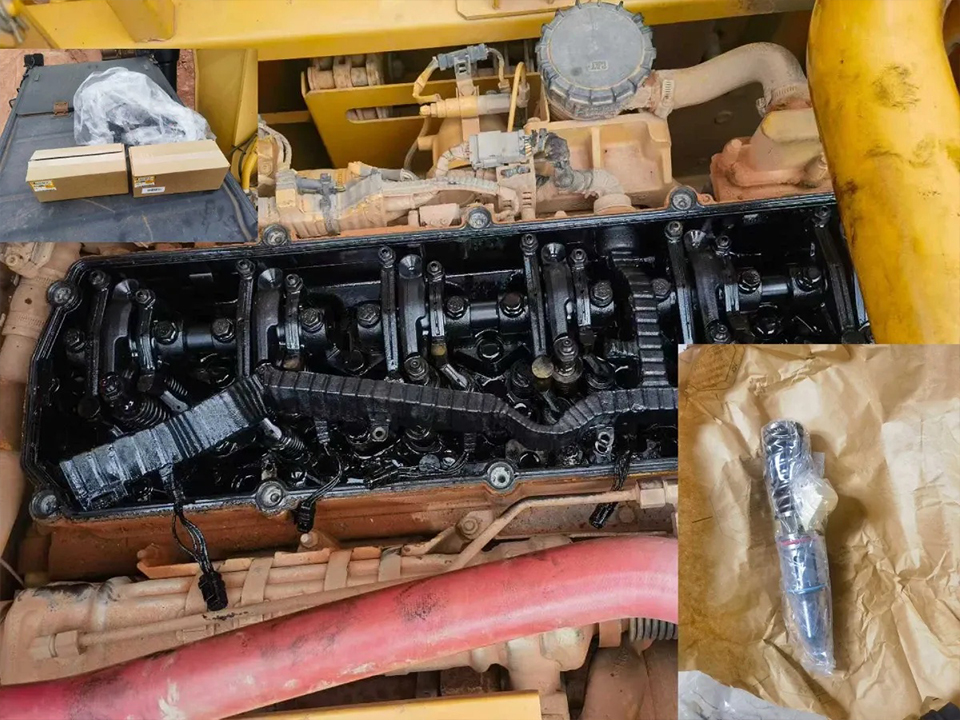
For anyone searching how to replace injector on a Caterpillar 349E, the answer is not “remove and install.” The real answer is this: verify the failing cylinder, protect absolute cleanliness around the injector bore and connector area, inspect the mating terminals before the injector comes out, replace sealing components correctly, and recheck the harness path so the new injector is not fed by the same damaged circuit that killed the old diagnosis. On a true C13 engine injector replacement, contamination control is not shop theater; it is the whole job.
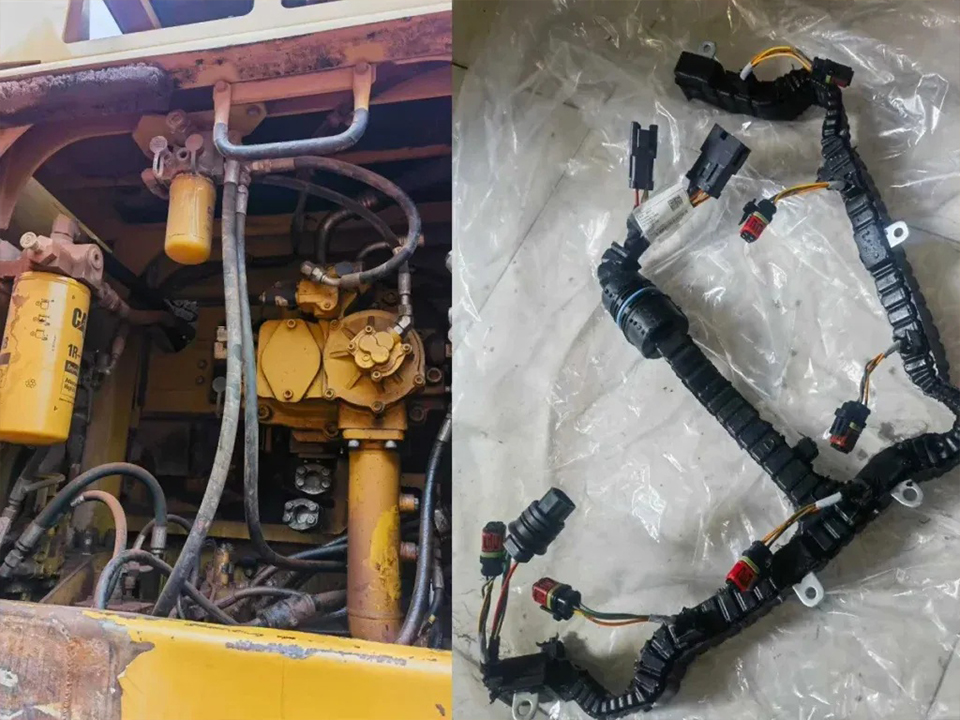
For anyone searching how to replace wiring harness on a Cat C13 engine, I would say it even more directly: de-energize the machine, photograph routing, compare every clip point and strain-relief location, inspect for rub-through at bends and clamp positions, and never yank an old harness out like scrap wire because that is how you miss the failure mode that caused the fault in the first place. A proper 349E injector wiring harness replacement should leave you with a known-good signal path, not a prettier mess.
And if the machine has been misfiring long enough to wash a cylinder, the story can turn ugly fast. I have seen “simple injector jobs” become compression investigations and then become bottom-end money, which is exactly why I treat upstream fuel faults seriously; once wear starts climbing, you are no longer shopping injectors, you are staring at things like a Perkins 1506A-E88TAG3 piston kit or even sealing work such as a Perkins 1506A-E88TAG3 crankshaft rear oil seal.
The comeback failures I see after “successful” repairs
This part annoys me. Shops brag that the machine restarted, call it fixed, and ignore what happens 40 hours later.
The repeat offenders are predictable: reused connectors with weak terminal tension, harnesses routed against vibration points, dirty injector seating surfaces, skipped post-repair load checks, and the fantasy that a code-free idle equals a solved machine. It does not. The 349E was built to work under load, not to pass a parking-lot audition.
And there is a legal edge here that too many people dance around. EPA says the Clean Air Act reaches testing, reporting, recordkeeping, warranty, labeling, tampering, defeat devices, and vehicle or engine maintenance and alterations; it also notes that the agency may pursue civil penalties or injunctive relief, and current penalty language on the EPA case-resolution page states violators can face up to $4,527 per tampering event or defeat-device sale and up to $45,268 per noncompliant engine. So no, “temporary delete it and move it off-site” is not a clever shop solution. It is a liability strategy for fools.
What the 2023–2024 numbers say when you strip out the marketing
Signal
2023–2024 fact
Why I think it matters on a 349E injector job
Replacement pressure
Reuters reported Caterpillar had a $28.1 billion construction-equipment backlog in February 2024.
Fleets were pushed toward repair and rebuild, so misdiagnosis became more expensive, not less.
Construction risk
BLS said construction and extraction occupations had 1,055 fatal work injuries in 2023, with a fatality rate of 12.9 per 100,000 FTE workers.
This is not a casual “swap parts and hope” job on a 53,300 kg-class machine.
Maintenance risk
BLS also counted 443 fatal work injuries in installation, maintenance, and repair occupations in 2023, with a rate of 9.0 per 100,000 FTE workers.
Service work itself is hazardous; procedure discipline is not optional shop drama.
Excavator service hazard
OSHA documented a May 6, 2024 fatality during CAT 349F counterweight removal for transport prep.
Heavy-equipment maintenance kills people when blocking, sequencing, and energy control are treated like paperwork.
Long-run trend
CPWR’s July 2024 bulletin said 11.7 thousand construction workers died from on-the-job injuries from 2011–2022, averaging 978 per year, and fatal injuries rose 39.8% over that span.
The industry does not get to pretend sloppy repair culture is a minor issue.
I’ll say it plainly: the numbers do not support casual shop habits. They support disciplined diagnosis, controlled replacement, and post-repair validation with load, heat, and vibration in the loop.
FAQs
What does Caterpillar 349E excavator repair mean when the problem involves the injector and harness?
Caterpillar 349E excavator repair, in this context, means a structured diagnosis-and-replacement process that separates true fuel-delivery failure from electrical command failure on the Cat C13 ACERT platform, then restores injector operation, wiring integrity, emissions-safe running, and under-load reliability without creating contamination, safety, or compliance problems. On a good day, that sounds obvious. In the field, it rarely is. I treat it as a systems repair, not a parts invoice.
How do I approach C13 engine injector replacement without wasting money?
C13 engine injector replacement is the controlled removal and installation of the suspected injector only after cylinder-specific evidence, connector condition, harness integrity, and contamination controls confirm that the injector itself is the failed component and not merely the victim of a bad circuit, poor fuel quality, or lazy troubleshooting. I would verify the fault hot, inspect the terminals before removal, protect the bore like it matters, and validate the repair under load afterward. Anything less is guesswork in work boots.
How should a 349E injector wiring harness replacement actually be done?
A 349E injector wiring harness replacement is the full restoration of the injector signal path by isolating energy, documenting original routing, removing the damaged harness without hiding the original failure point, installing the new harness with correct clip points and strain relief, and then confirming clean electrical behavior under heat, vibration, and load. The trap is assuming new wire equals solved problem. I want proof, not optimism.
Do I still need a Cat 349E repair manual if I already know diesel engines?
A Cat 349E repair manual is the baseline reference for machine-specific service data, but it is not a substitute for real diagnosis because it cannot see fretted terminals, harness rub-through, intermittent opens, contamination introduced by the technician, or the shop habits that create repeat failures after a repair that looked fine at idle. I use manuals for structure. I do not use them as a shield against thinking.
What usually causes repeat injector failures after a “successful” repair?
Repeat injector failure after an apparent fix is usually a chain problem rather than a single bad part, meaning poor terminal contact, harness damage, contamination at installation, unchecked cylinder condition, or unresolved command issues cause the new injector to inherit the same bad environment that produced the original complaint. That is the comeback nobody wants to admit. But it is common, and it is expensive.
If your 349E is smoking, missing, or drinking fuel, stop buying hope in cardboard boxes. Diagnose the circuit, inspect the hardware, replace only what you can prove, and treat the repair like the machine still has to earn money tomorrow.